


This year has brought some exciting news – the “Excellence” level Architectural Conservation Award has been given to Luenrit Community Co., Ltd. by the Association of Siamese Architects under Royal Patronage (ASA) for the amazing work done to restore a group of old Neoclassical shophouses that are over a hundred years old. These buildings are some of the last ones still standing from the time of King Rama V (1868-1910), and they’re a big part of Bangkok’s history. The fact that they’ve been saved and brought back to life is a huge deal, and it’s great to see people working hard to preserve the city’s past.
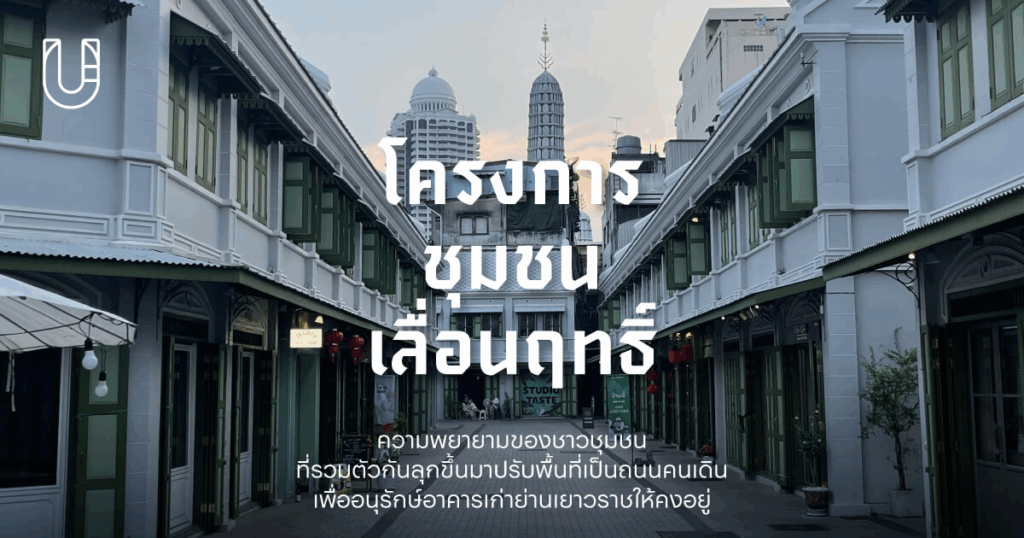
Photo Credit: urbancreature.co
The Luenrit Community is special not only because of its beautiful architecture, but also because it’s a one-of-a-kind project where the inhabitants came together to form their own company and take charge of the project themselves. They were so invested that they asked the Fine Arts Department for permission to do their own archaeological digs. And that’s how it became the very first urban archaeology project in a city that was started and run entirely by private sectors. This project is a great example of what can happen when a community comes together to preserve its history and culture.
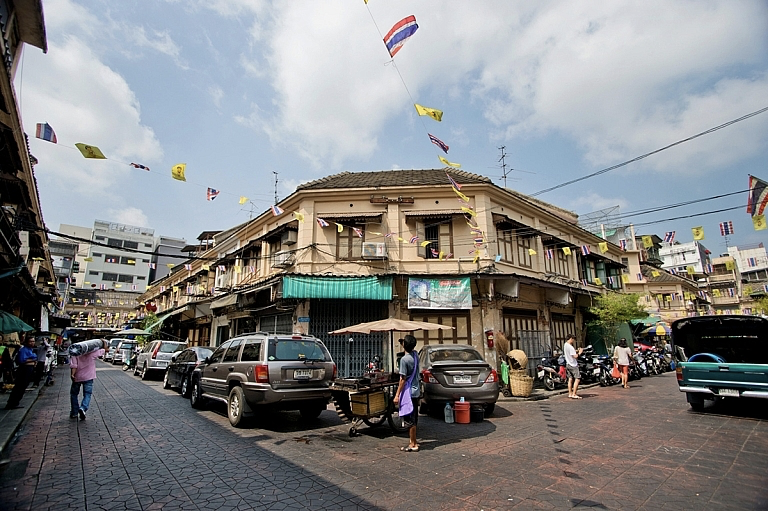
Photo Credit: anurakmag.com
Anurak Magazine invites everyone to take a closer look at the viewpoints of someone who comes from the Luenrit Community. This person, who has Chinese roots, is now a director of a company and has worked side by side with many others in the community to make this project a success from start to finish. They have been a key part of the team, standing together with others to drive the project forward.
The Process is A Key
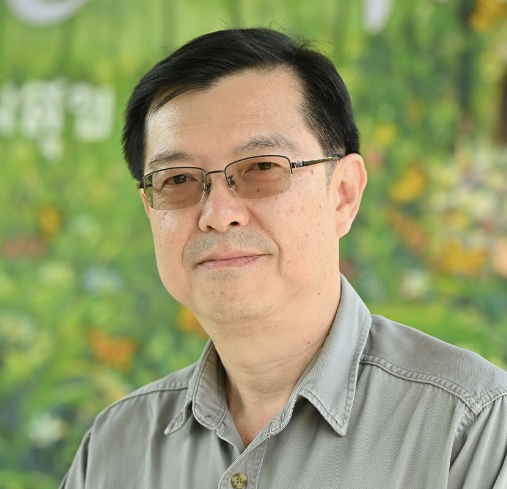
Photo Credit: prachachat.net
Mr. Surain Thapanangkun, Director of Luenrit Community Co., Ltd., shared that the value of this award stems from a strict adherence to international conservation standards.
The way they’re conserving Luenrit Community is different from fixing up an old temple or palace, which people usually call restoration. Instead, they’re using something called rehabilitation. This approach lets them make some changes to the structure so it can be used in modern times, while still keeping the important historical parts intact for people to learn from in the future, Mr. Surain said.
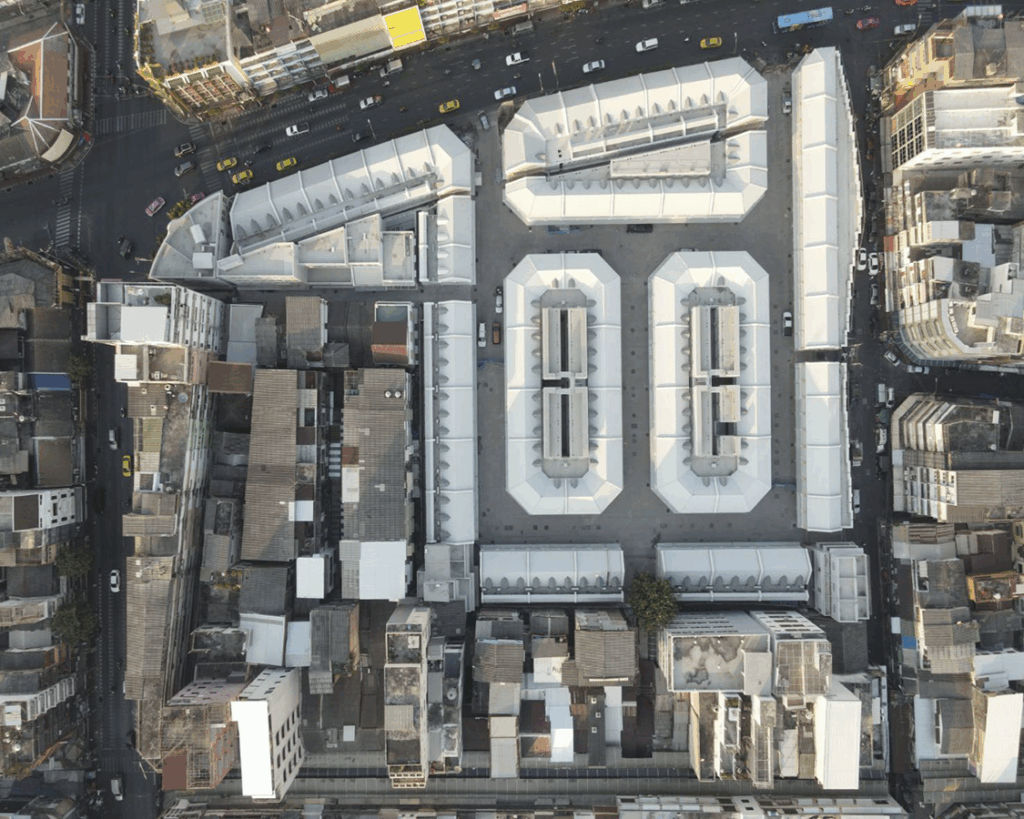
Photo Credit: Luenrit Community Co., Ltd.
When we’re talking about preserving the past, it’s not just about the history and archaeology itself, but also about how we go about collecting that information to figure out the best way to conserve it. The way we gather data is just as crucial as the data we gather.
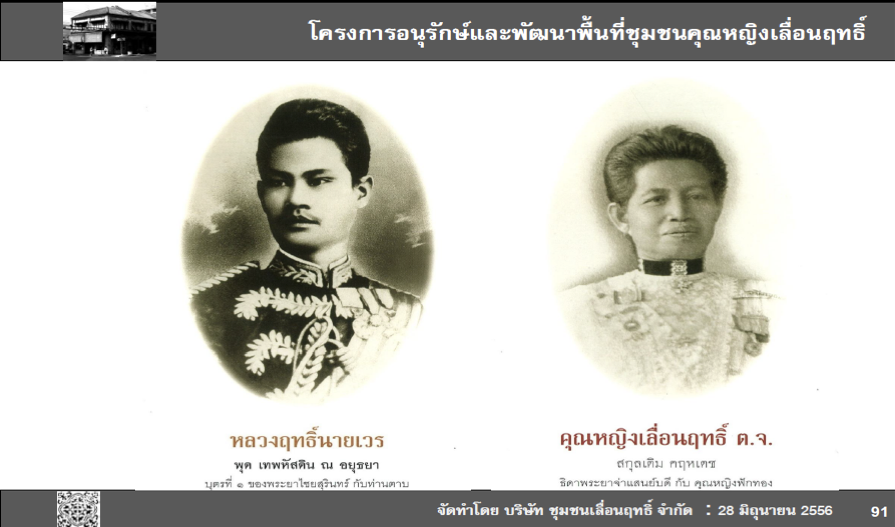
and Her Husband “Luang (Lord) Rit”
Photo Credit: Luenrit Community Co., Ltd.
The goal of restoring over 230 old shops spread across nearly 2.8 acres started with getting everyone in the community on the same page. At their first meeting, they were unsure which way to go with conservation. So, they began by looking into the past: old documents, records, and maps from when the main road was first built, as well as old aerial photos and new maps. By doing this, they were able to trace the land’s history all the way back to when it was an orchard during the early Rattanakosin period, then later became homes for nobles during the reigns of King Rama III (1824-1851) to King Rama V (1868-1910), and finally turned into a bustling commercial area.
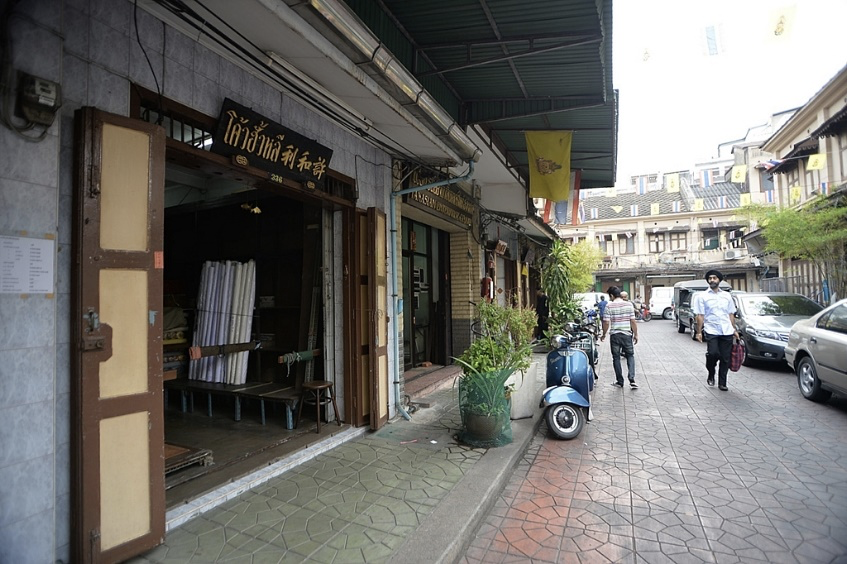
Photo Credit: anurakmag.com
When they layered maps from different time periods, they found that some areas of land had been left untouched for more than a century. This was significant because it meant that the soil beneath these spots still had the same conditions as when the old shophouses were initially constructed, providing a unique glimpse into the past.
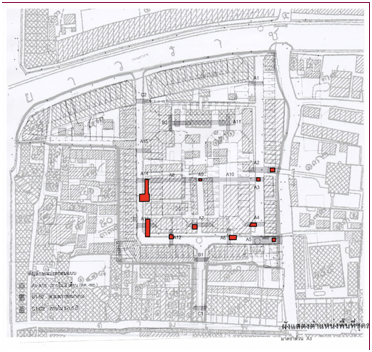
Photo Credit: Luenrit Community Co., Ltd.
Luenrit Community Co., Ltd. is a company that did something unique – it asked the Fine Arts Department to excavate archaeological sites. To do this, they got help from experts like architects and archaeologists. What they found was amazing – thousands of artifacts from different time periods that showed how people lived in the past. These artifacts were not just ordinary things, but also included luxury items that only the rich could afford. This area used to have a special pier called ‘Khlong Thom Pier’ that connected to the Chao Phraya River, which was a major water route that linked to the land market at Sampheng, as Mr. Surain explained. The discovery of these artifacts gives us a glimpse into the daily lives of people who lived here long ago. It’s like uncovering a piece of history that was hidden beneath our feet. By studying these artifacts, we can learn more about the people who lived in this area and how they went about their daily lives. The fact that Luenrit Community took the initiative to request this excavation shows that they value the history and culture of this place.
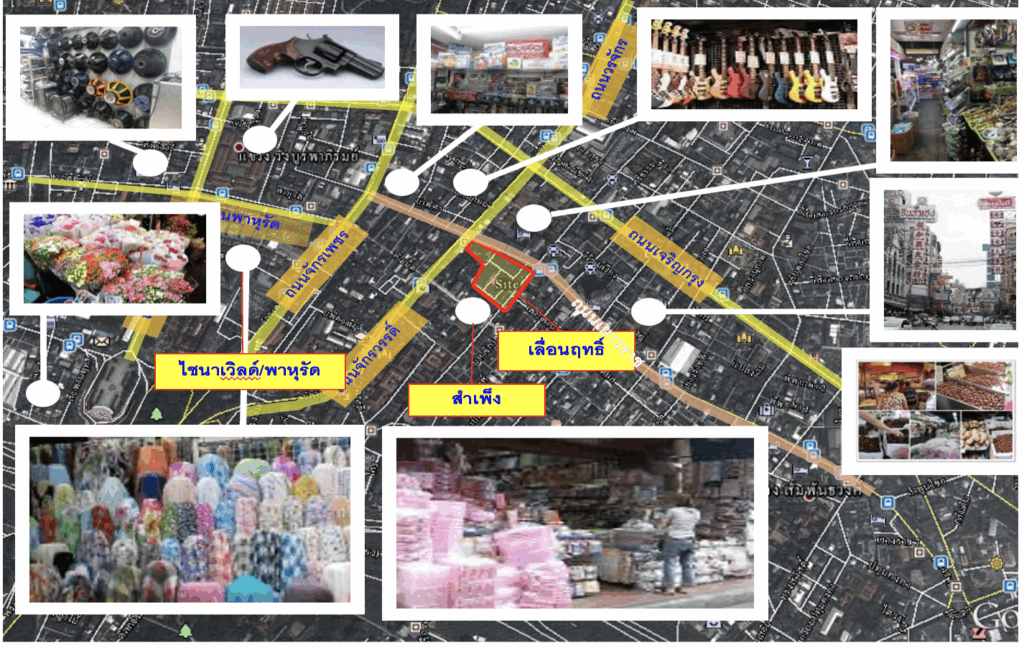
Photo Credit: Luenrit Community Co., Ltd.
Historical research and findings from over 10 excavation pits gave architects and officials from the Fine Arts Department, the information they needed to decide how to preserve the site. They also had to figure out which time period to use as a guide for the project. This was important because it would help them make decisions about how to conserve the site by looking at the evidence from the past, they could determine the best way to move forward with.
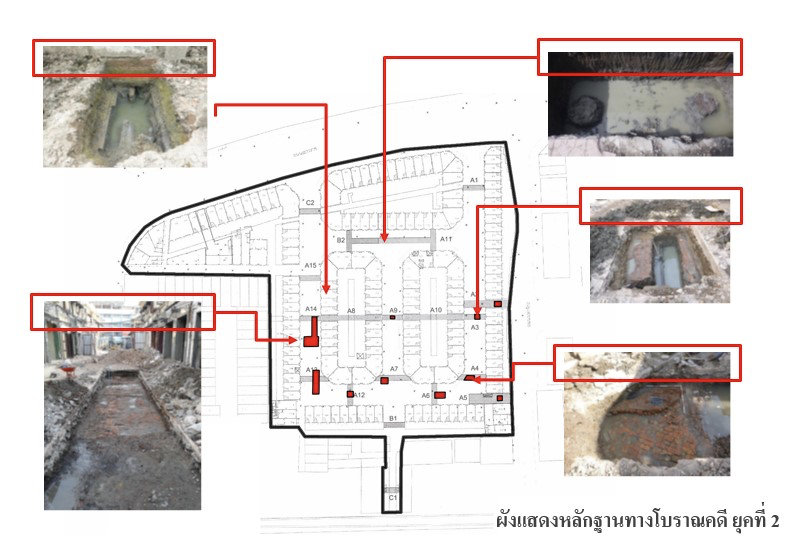
Photo Credit: Luenrit Community Co., Ltd.
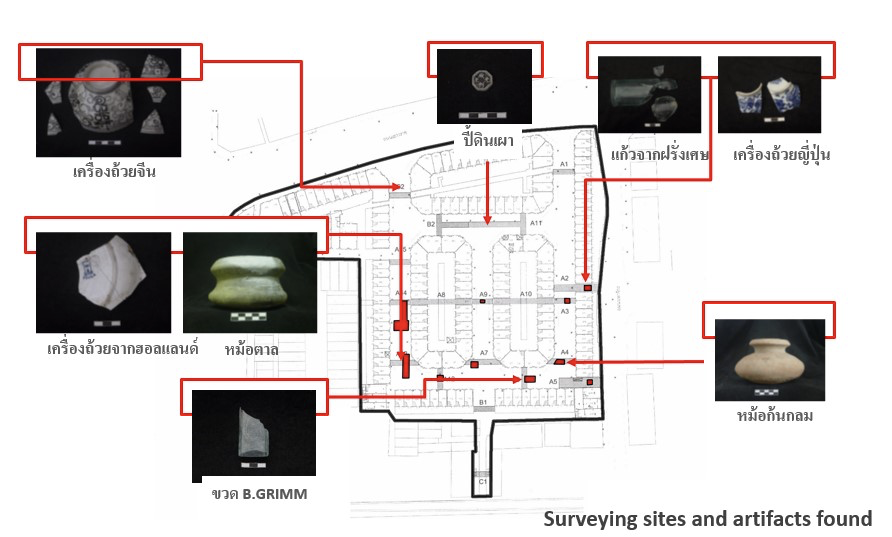
Photo Credit: Luenrit Community Co., Ltd.
The Legacy of Conservation
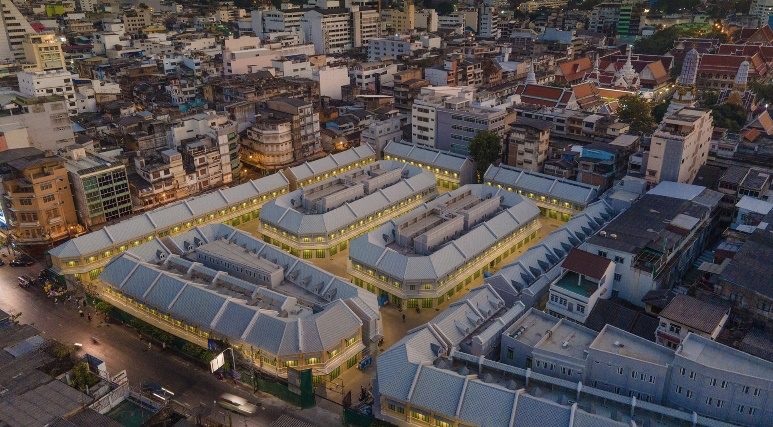
Photo Credit: Luenrit Community Co., Ltd.
The people of Leunrit Community took charge of preserving their heritage from the start, and in doing so, they got to learn about the architecture of their own homes. They absorbed the valuable and rich history and collective knowledge that’s rooted in their land. By being involved in the conservation process, they gained a unique understanding of the architectural sciences that are unique to their community. This hands-on approach allowed them to appreciate the significance of their homes and the stories they tell.
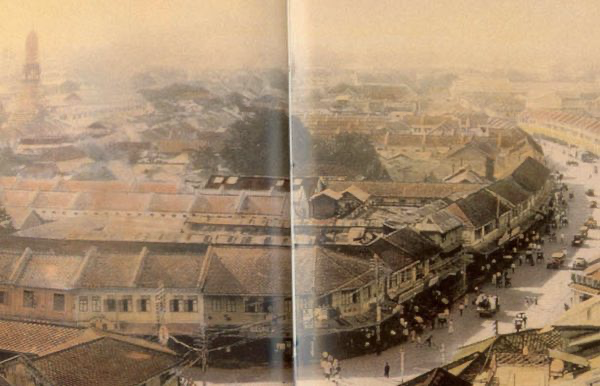
King Chulalongkorn (Rama V)
Photo Credit: thaipublica.org
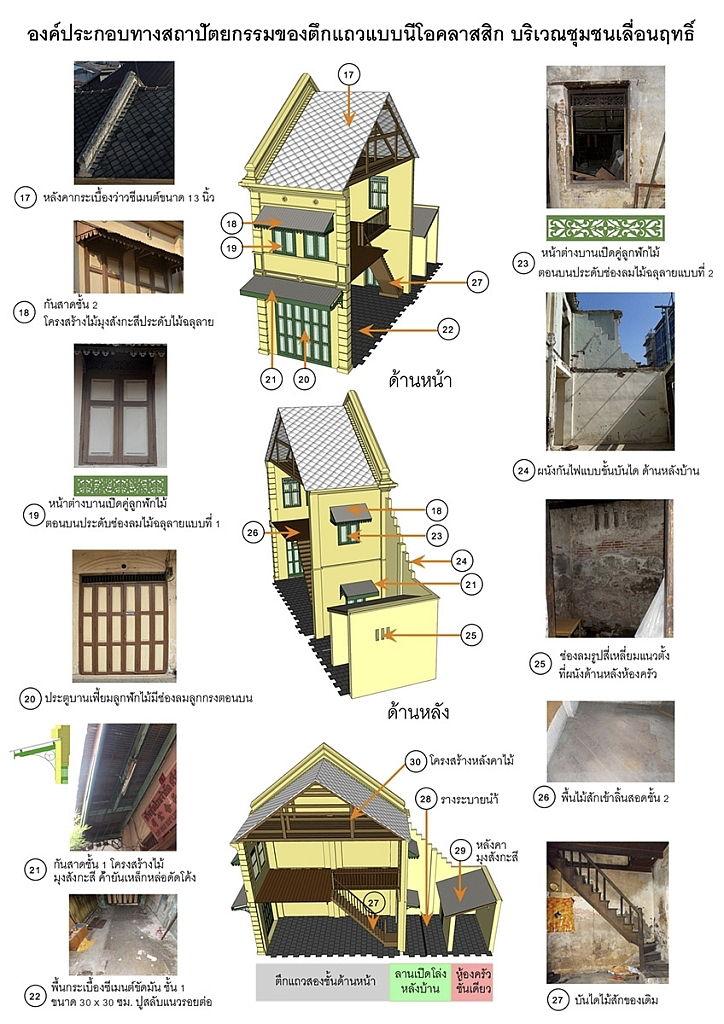
The old way of building things, which was passed down from the reign of King Rama V, is still really important. This way of building includes making sure the foundation of the structure is strong. They used big logs, called pilings, to support the weight of the building, and on top of that, they put layers of bricks to spread out the weight. This was done so that the buildings could hold up the heavy walls and firewalls. Some other cool things about these old buildings are the roofs, which were covered in special 13-inch tiles that looked like kites. They also had a special system to keep the air moving inside the building, using windows and special slats above the doors that could be opened to let in a breeze. The floors upstairs were made with strong steel I-beams that held up the wooden planks, and the windows had really pretty decorations, like intricate carvings, on the awnings. The plaster on the walls also had nice designs and patterns on it.
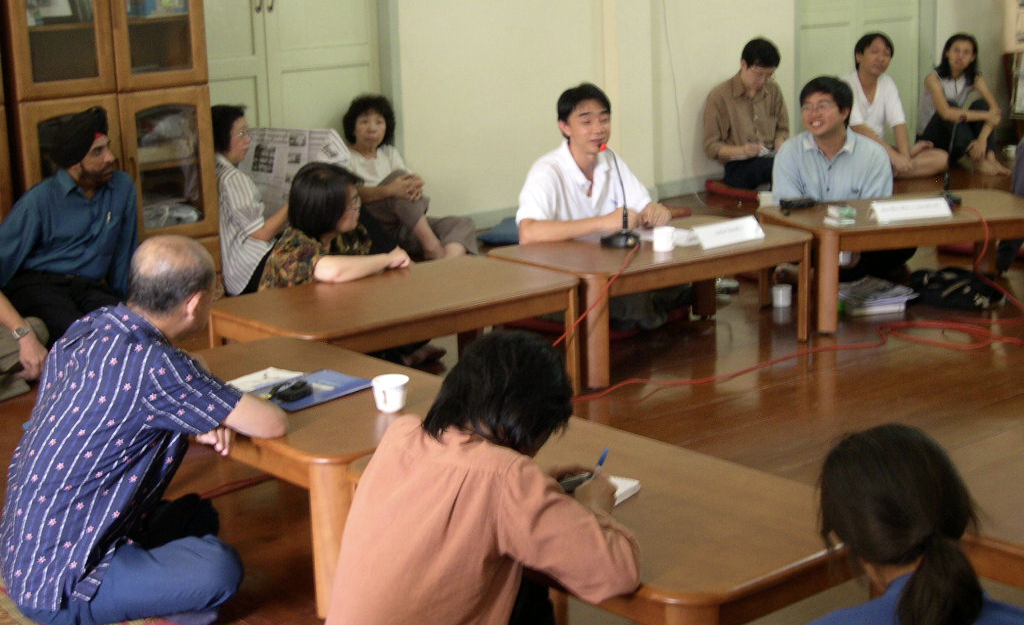
Photo Credit: Luenrit Community Co., Ltd.
Working together with experts and academics has led to some big discoveries in architecture. For instance, looking at the site plan made scholars wonder about the alleys between the buildings. Now, they think these paths were meant to help bring water from the back to put out fires. This makes sense with the stepped firewalls at the back, which were built like tiers of masonry – probably so people could put wooden planks across and climb up to fight fires from the roof. It’s like they had a special way to get up there and stop the fire from spreading.
developed specifically for the Luenrit Rehabilitation Project
Photo Credit: Luenrit Community Co., Ltd.
This restoration project has also made a big impact by creating a new set of special roof tiles, known as “Kite-shaped roof tile” or “Diamond-shaped roof tile”, to replace the old ones that were falling apart. The old tiles were too thick and heavy to use today, so skilled workers and manufacturers teamed up to make a new set of tiles that are just the right size and very strong – and they’re being used for the first time in this project. Moreover, the fancy plaster decorations above the windows were made by hand by modern craftsmen, who even created their own custom molds to cast them.
Partnership as the Master Key
According to the interview with Mr. Surain Thapanangkun, Director of Luenrit Community Co., Ltd., on May 19, 2023, he thought about what they had learned from the project. He mentioned that the most important thing was that everyone had mutual understood, especially the landowner, the Crown Property Bureau. The Bureau realized it was crucial to listen to the tenants’ needs, rather than just trying to make as much money as possible from the valuable land. This approach shows that the Bureau cares about its social responsibilities and wants to develop in a sustainable way. By doing so, they created a positive relationship with the tenants, which was essential for the project’s success. The director’s reflection highlights the importance of mutual understanding and social responsibility in achieving success, not just in business, but also in building strong relationships with the community. In this case study, the descendants of the Leunrit Community have proven their commitment to the landowner and all parties involved, as evidenced by receiving the 2023 Outstanding Award for Architectural Conservation.
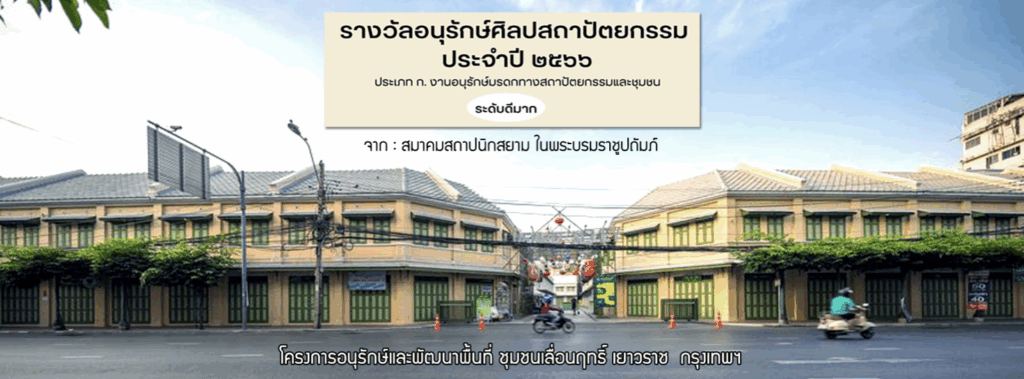
Photo Credit: Luenrit Community Co., Ltd.
Timeline of Key Events
- In 1909, a significant transaction took place when Khun Ying Luen Thephasadin Na Ayudhya sold a 7-rai plot to the Privy Purse Bureau. As a result, shophouses were built and rented out towards the end of King Rama V’s reign. Initially, the tenants were Hakka Chinese who utilized the space for various businesses, including embroidery and heavy machinery.
- In 1957, people from Punjab, India started moving to the Yaowarat area, and they mostly sold fabrics and clothes. Soon after, Chinese traders from the Teochew region also came to the area, and it became a big place for selling textiles in large quantities.
- In 2001, people who lived there got a notice that their lease was being terminated by the Crown Property Bureau.
- In 2012, the people living in the area came together to form the Luenrit Community Co., Ltd. This community-led group was then given a new lease agreement, which was a significant step forward for the residents.
- In 2014, the residents temporarily moved out for rehabilitation and archaeological excavations.
- In 2020 marked the beginning of a new era, as it was the first year of a freshly signed 30-year lease.
- In 2021, a major milestone was reached when the rehabilitation work was finally completed, and people started to move back into their homes.
- In 2023, the community received the “Excellence Award for Architectural Conservation” from the ASA. (The Awards Ceremony is expected to be held in May 2026.)
- In 2050, the final year of the current 30-year lease.
🎬 Watch full version and step back in time at Luenrit Community on:
YouTube: https://www.youtube.com/watch?v=XAPgUWGyntI
Writer: Ekachai Eutanpisit
Translator: Artima Warinudomsuk
Editor: Tayud Mongkolrat
Sources:
- Translated from “ชุมชนเลื่อนฤทธิ์ กับ รางวัลอนุรักษ์ฯ”
Anurak Magazine, Issue 68
June 8, 2023
Author : Ekachai Eutanpisit
Photos : Luen Rit Community Co., Ltd. - Luenrit Community Co., Ltd.
- Facebook Page “โครงการ ชุมชนเลื่อนฤทธิ์ เยาวราช – The Luenrit, Yaowarat, Bangkok”
- https://anurakmag.com/art-and-culture/luanrit-community-with-conservation-award/
- https://urbancreature.co/luenrit-community/