

The rise of Thai mascots goes far beyond colorful costumes and commercial marketing; it reflects a unique harmony of ancient spiritual beliefs, the joyful spirit of sanuk, and a modern longing for emotional comfort or heal jai. Shaped by traditions rooted in the essence of khwan and the cultural familiarity of personified figures like Nang Kwak, these beloved characters have evolved into dynamic companions, cultural icons, and cherished members of extended fandom families. Far beyond brand identities, they embody the genuine warmth, playful creativity, and resilience at the heart of contemporary Thai society. Join the Thailand Foundation as we explore the story of Thai mascots, offering a deeper look into the soul, cultural roots, and emotional bonds driving this captivating phenomenon.
The way people in Thailand think about buying things is changing rapidly, driven in part by a phenomenon that could be called “mascot mania.” It is where old cultural ideas, new forms of business, and a distinctly modern desire for heal jai, or “healing the heart,” come together. In Bangkok and other major cities, crowds line up to meet characters like Butterbear, while figures such as Moo Deng generate enormous excitement online. Events like the Polca Fam Meeting, GMMTV Fanival, 2026 Butterbear Camping Club Fam Meeting, and Character Fest Thailand 2025-2026 further show how mascots are moving beyond advertising and becoming part of popular culture.
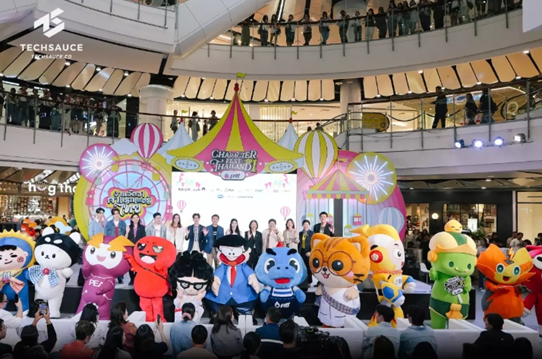
Photo Credit : techsauce.co
Mascots are no longer simply logos; they have become companions, celebrities, and the heart of a growing character economy. Their popularity also reflects something deeply familiar in Thai culture: the importance of sanuk (สนุก), or finding fun and joy in everyday life.
In this sense, Thailand’s mascot phenomenon is more than a passing trend. It offers a glimpse into contemporary Thai life, where cultural traditions, creativity, business, fandom, and everyday happiness continually meet and evolve. It is one small part of the living culture and heritage of Thailand that we invite you to explore here at Thailand Foundation.
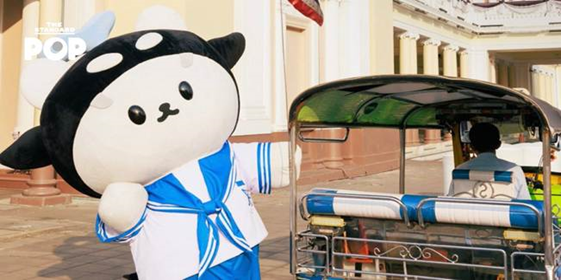
Photo Credit : thestandard.co
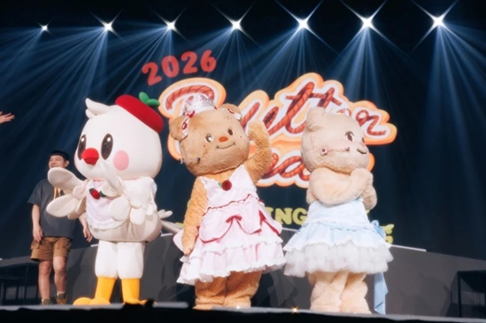
Photo Credit : entertainment.trueid.net
Spiritual Roots and the Rise of the Healing Economy
The fascination with mascots in Thailand may trace back to the concept of khwan (ขวัญ), or spiritual essence. Traditionally, Thai people believe that khwan resides in all living beings and can also inhabit objects. When an object is understood to possess khwan, it may be treated almost as a living presence.
This relationship with personified objects also has roots in traditional figurines that existed long before modern corporate branding. One familiar example is Nang Kwak (นางกวัก), or the “Fortune-Beckoning Lady,” depicted as a beautiful woman in traditional Thai attire with her right hand raised in a beckoning gesture. Her statues can be found in businesses across Thailand, from small roadside stalls to large shopping malls, often accompanied by offerings of flowers, incense, and red syrup drinks. Such traditions may help explain why modern mascots resonate so naturally in Thailand: people are already familiar with giving personality and presence to inanimate objects, and seeing them as sources of comfort, good fortune, or even influence over everyday life.
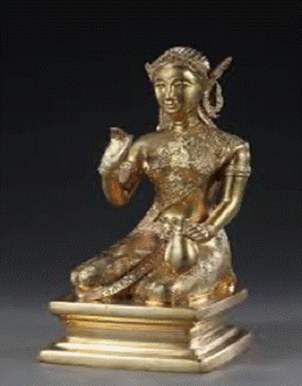
Photo Credit : silpa-mag.com
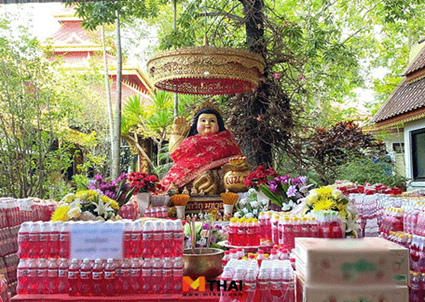
offerings of red syrupy drinks to Nang Kwak
Photo Credit : mthai.com
As time went on, companies started to realize the need for “relatable identities” to connect with consumers on a human level. This change marked a move away from static icons of spiritual power towards dynamic, friendly characters that people could relate to. A great example of this shift is Bar B Gon, the green dragon mascot of Bar B Q Plaza. When he was first introduced in 1996, he symbolized the strength and auspiciousness of the Chinese dragon, functioning as a traditional mascot symbol. However, in 2011, he was redesigned to be a lovable “best friend,” transforming the brand into a persona that customers felt a personal connection with. This move showed that modern mascots could provide a sense of security and favorable outcome, just like Nang Kwak, but through emotional companionship and commercial relatability.
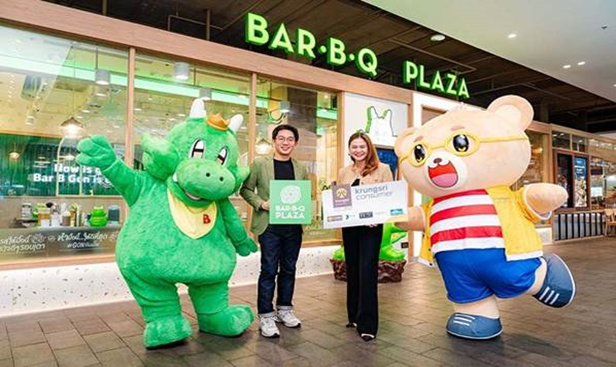
Photo Credit : brandage.com
The evolution of Bar B Gon is a significant example of how mascots can fulfill a psychological role, providing comfort and a sense of security to customers. By creating a relatable and friendly character, companies can build a personal connection with their customers, making them feel more at ease and invested in the brand.
This emotional role has become increasingly important in what is often described in Thailand as heal jai (ฮีลใจ), or “healing the heart.” For people dealing with the pressures and uncertainties of modern life, mascots can provide a small emotional escape or safe space: something cute, familiar, and uncomplicated that brings comfort and joy.
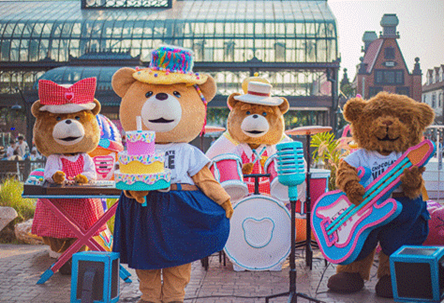
Photo Credit : Facebook Page “Chocolate Ville”
This emotional attachment has also developed into a significant economy. According to the 2024 Digital Content Industry Survey by the Digital Economy Promotion Agency (DEPA), Thailand’s character industry, including licensing and merchandise, grew by 196%, from 2.445 billion baht in 2023 to 7.232 billion baht in 2024. This market value reflects the rapid expansion of Thailand’s mascot economy, driven by licensing fees, official merchandising, brand collaborations, and digital assets. Industry showcase events like Character Fest Thailand 2025-2026 further highlight how the Character IP ecosystem in Thailand is maturing into a major economic driver. As this “healing economy” expands, brands are increasingly creating characters that feel vulnerable, playful, and relatable rather than simply projecting corporate power. In this way, the role once played by auspicious symbols has not entirely disappeared; it has evolved into a new form of emotional companionship suited to contemporary life.
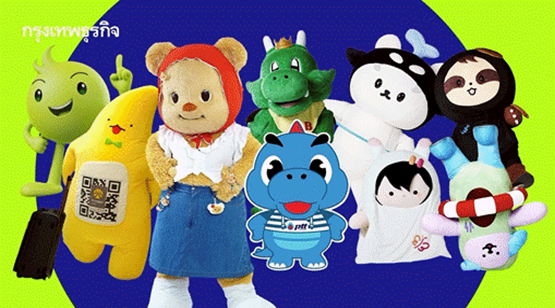
Photo Credit : bangkokbiznews.com
Characteristics of Thai Mascots
Designing for Approachability
Thai mascot design principles prioritize “softness” to communicate friendliness at first glance. People in Thailand tend to like mascots that have soft, curvy shapes and happy faces. These kinds of designs seem more friendly and welcoming to them than ones that are sharp and modern. Moreover, brands often use exaggerated or “silly” narratives to gain national attention. For instance, Polcasan’s popularity is driven by his “proud” signature pose and witty remarks, making him feel like a funny, relatable friend rather than a prop.
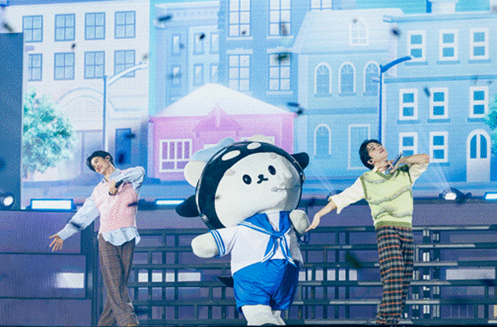
of the GMMTV actors with his signature pose
Photo Credit : thestandard.co
The Thai Way of “Loving” a Mascot
People in Thailand don’t just casually like their mascots; many become deeply attached to them and treat these characters almost like members of the family. This is reflected in the idea of luk-luk (ลูกๆ), or “the children,” in which mascots are seen as precious figures deserving affection and care. Fans may wait in line for hours, sometimes from early in the morning, just to catch a glimpse of or take a photo with their favorite mascot. Butterbear fans, for example, often wait for over an hour for a brief encounter.
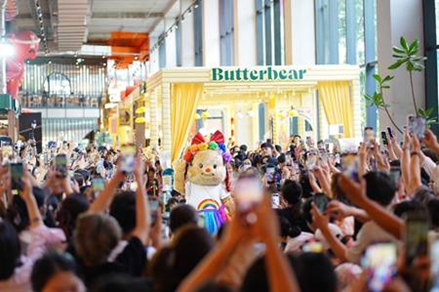
Photo Credit : share2trade.com
A key part of this affection is the playful personality given to Thai mascots. Humor is an important way of connecting with audiences, reflecting the Thai appreciation of sanuk (สนุก), or having fun. Rather than relying on conventional sales pitches, brands often give their mascots silly, quirky, or humorous personalities. This makes them appear friendlier and less corporate, helping audiences feel more comfortable and personally connected with the characters.
Otteri Wash & Dry.
Photo Credit : Facebook Page “Otteri wash & dry”
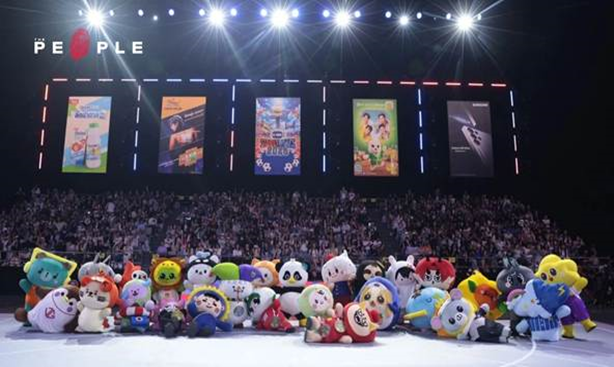
Photo Credit : thepeople.co
The “No One Inside” Rule and Khwan Spirit
Thai people often treat mascots as if they were actually real. Take Butterbear, or Nong Noey, for example: many fans treat her as a real celebrity with a personality and life of her own, rather than simply someone inside a costume. This treatment echoes the traditional concept of khwan, discussed earlier—the idea that a living presence can extend beyond the human body and even inhabit objects. By interacting with mascots as living characters capable of acting and feeling on their own, fans form an emotional connection that goes far beyond simply liking a brand or product.
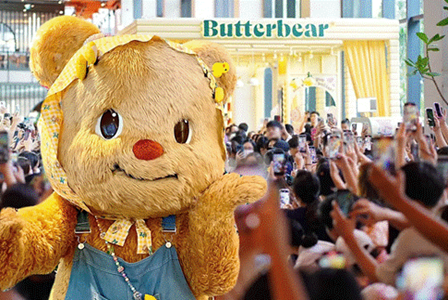
Photo Credit : en.moneyandbanking.co.th
Mascots as Progeny: Fandom as Family
One particularly interesting aspect of Thai mascot culture is the way mascots are treated as children. GMMTV, the Laureate of Thailand’s Public Diplomacy Award 2025, for example, has created over 30 mascot characters that together form a large family known as the “Giggle Gang,” or the “children of the GMMTV company.” Many of these characters were developed around actors and their fandoms, giving fans a sense of participation in their identities and stories. This relationship is so strong that fans often refer to themselves as the mascots’ “parents” or even “grandparents,” turning fandom into a kind of extended family.
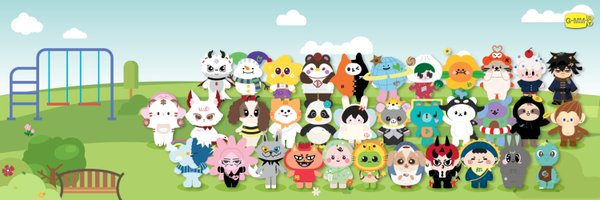
Photo Credit : X Page “@GmmtvShop”
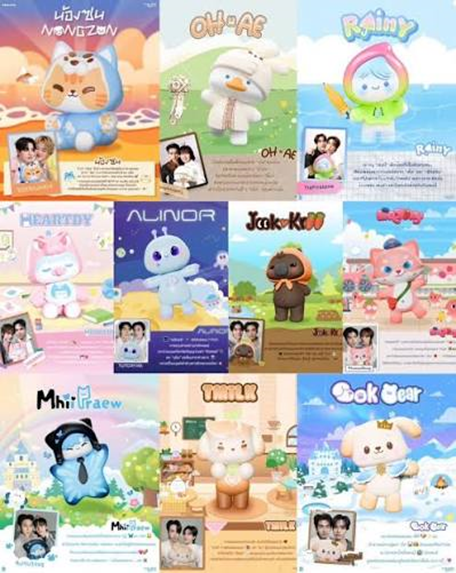
Photo Credit : Instagram “domundi.idn”
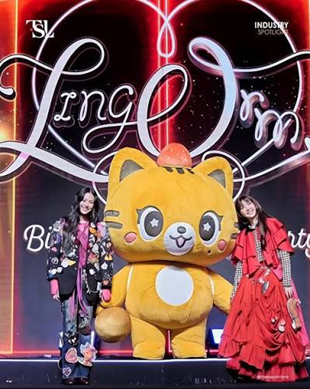
Photo Credit : Instagram “the_sapphic.lens”
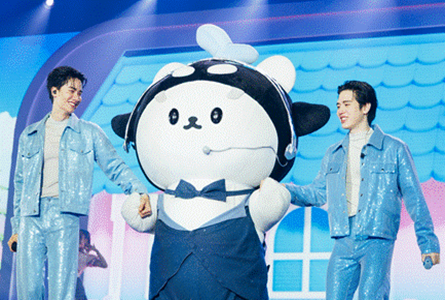
Photo Credit : thestandard.co
This idea of thinking of mascots as kids has benefits in terms of business. According to a news report from Money & Banking Thailand on the financial performance of One Enterprise Public Company Limited (ONEE)—the parent company of GMMTV—during the first nine months of 2025, the company’s merchandise revenue reached 586.6 million baht. This represents a significant increase of 98% compared to the same period last year. It shows how much people love these characters and want to be a part of their world.
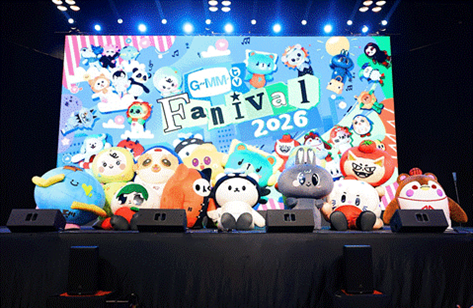
Photo Credit : Facebook Page “GMMTV”
Examples of Famous Thai Mascots
1. Bar B Gon
Bar B Gon (บาบีก้อน), the lovable green dragon from Bar B Q Plaza, has been around since 1996 and is often called the “Godfather” of Thai mascots. At first, he was all about showing off his strength, but in 2011, he had a makeover to become a friendly buddy that people just want to give a big hug to. Now, his story has been expanded into a business fable called Bar B Gon and the Quest for the Sacred Flame. This fun tale is all about Bar B Gon’s exciting adventures, and is a great way to learn some valuable lessons about business and life.
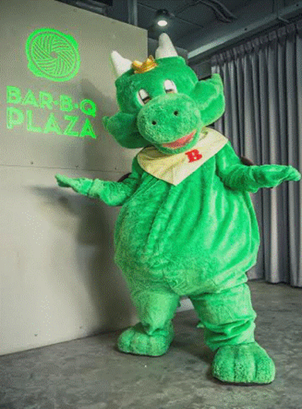
from Bar B Q Plaza
Photo Credit : mgronline.com
2. Godji
Godji (ก๊อตจิ), a lovable monster, was first introduced by PTT in 1997. Back then, it was a Godzilla-like creature that wreaked havoc on Bangkok, but it had a major makeover after it became super popular. Now, Godji is a cute and friendly character that helps teach people important things through PTT’s educational materials. It all started when Godji was “fueled” by PTT petrol, which led to its transformation into the iconic character we know today. Godji’s story is a fun example of how something unexpected can become a beloved symbol of education and outreach.
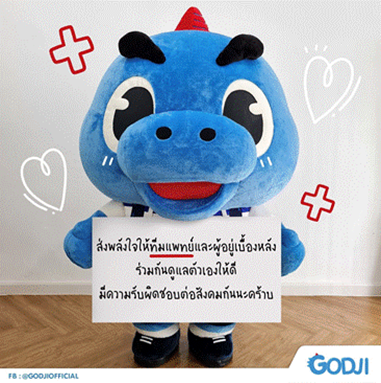
Photo Credit : Facebook Page “@Godjiofficial”
3. Aunjai
Aunjai (อุ่นใจ), also known as the “little green man,” was first introduced back in 2008. Over time, it has become a symbol of warmth and friendship in the digital world. This little character represents AIS brand’s promise to help customers navigate the complex world of technology. It’s all about making things simpler and more friendly for everyone.
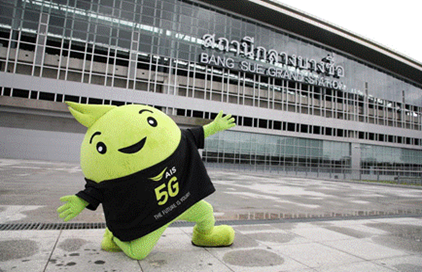
Photo Credit : mgronline.com
4. Mung Mee
Mung Mee (มั่งมี) is a fun character – a dancing banana mascot that Krungsri Bank came up with in 2019. The idea behind Mung Mee was to show the bank’s motto, “Make Life Simple,” in a creative way. But Krungsri Bank didn’t just stop at making a cute mascot – they also wanted to do something good for the environment, so they made a big sculpture of a banana using old aluminum can lids and CDs. This “Sustainable Giant Krungsri Banana Sculpture” was a great way to teach people about taking care of the earth. By using recycled materials, the bank was able to promote environmental awareness in a cool and unique way.
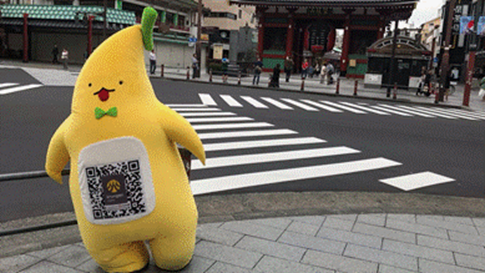
the Krungsri Bank
Photo Credit : brandinside.asia
5. Butter Bear
Butterbear (หมีเนย) first appeared on June 14, 2024 as the face of Butterbear Bakery, which is part of the Coffee Beans by Dao group. She’s a happy and loving 3-year-old kid who goes to kindergarten, and people love her for it. Butterbear can dance really well, especially to T-Pop and K-Pop songs, which made her super popular on the internet. People even call her the “dancing idol” because of how good she is. She got so famous that she was named the “Phenomenon of the Year 2024” and people started calling her the “mall-breaking mascot” because she’s always drawing big crowds.
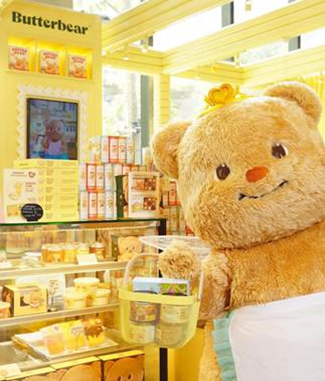
Photo Credit : thairath.co.th
The Tourism Authority of Thailand (TAT) was so impressed with her that they made her the “Tourism Experience Officer” to help bring more tourists to Thailand from other countries. Her immense popularity has also led to major fan events, such as the 2026 Butterbear Camping Club Fam Meeting. This was a big deal, demonstrating how much people love Butterbear. She’s good at making people happy and excited, and that’s why she’s so popular. Butterbear is definitely one of a kind, and people can’t get enough of her cute and fun personality.
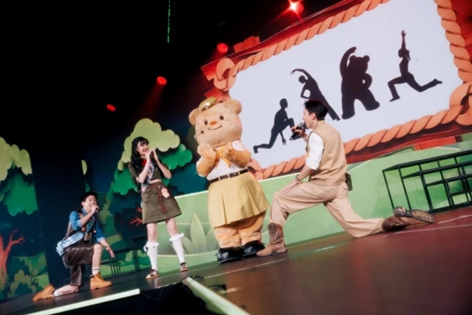
Photo Credit : entertainment.trueid.net
6. Pee Koh
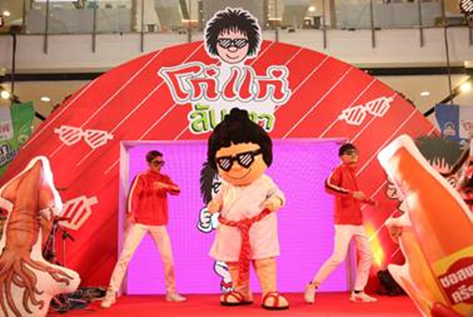
Pee Koh (พี่โก๋) was born back in 1976 as the face of the Koh-Kae (โก๋แก่) peanut brand, created by Mae-Puey Factory. He’s a pretty cool and cheeky character, known for his fluffy hair, dark shades, and a white judo suit – a look that was actually inspired by a Japanese postcard. For over 48 years, Pee Koh has been a huge part of the company’s branding, helping them dominate the Thai peanut market with a 50% share, and becoming recognized all around the world, in places like the United States, Europe, and China. It’s pretty amazing how a simple mascot can make such a big impact. Pee Koh has become an iconic symbol, and his unique style has helped Koh-Kae stand out from the rest.
the Koh-Kae (โก๋แก่) peanut brand.
Photo Credit : brandbuffet.in.th
7. Otteri
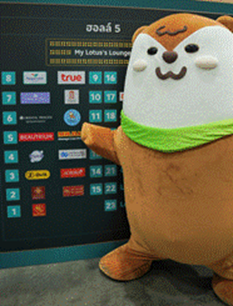
The Otteri (น้องนาก) family is a group of lovable sea otters that became famous as the face of Otteri Wash & Dry, a big chain of laundromats that grew rapidly starting around 2015. It expresses a squeaky personality, and playful interactions turn the laundromat into a friendly community space. They stand for being clean and friendly, and there are five of them, including Hitoshi, the dad, and Hikari, the mom. Their adorable, Japanese-style design was made to make women feel welcome. It’s worked really well – the Otteri family has helped make Otteri Wash & Dry the most popular laundromat in Thailand, with over 1,250 locations all around the country. They’re a big part of why the brand is so well-liked. The idea was to make the laundromat feel like a friendly place where people can go to get their clothes clean, and the Otteri family has done a great job of making that happen.
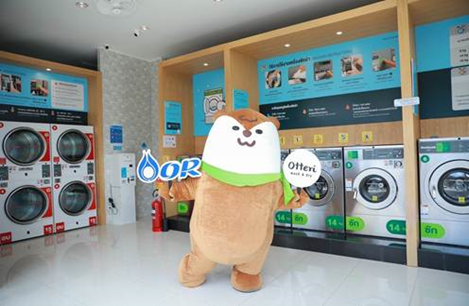
Photo Credit : amarintv.com
8. Moo Deng
Moo Deng, a lovable pygmy hippo, was born on July 10, 2024 at the Khao Kheow Open Zoo in Chonburi. What makes her so special is her fun and lively personality; she’s always bouncing around and making funny faces. But what really gets her going is when she gets sprayed with water – her reactions are just priceless! People all around the world can’t get enough of her, and she’s become a famous meme on the internet. But Moo Deng is more than just a funny face – she’s also a symbol of joy and friendship, and has been named a 2024 Style Icon by the New York Times. She’s even helped her zoo make a lot of money, with 13 million baht in ticket sales in just nine days. It’s clear that Moo Deng has a special gift for making people happy, and she’s become a beloved icon around the world.
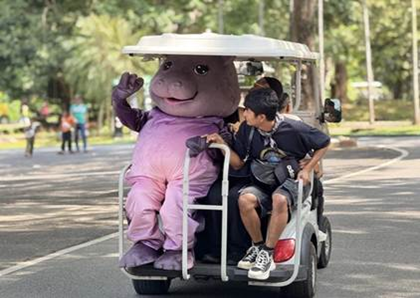
Photo Credit : mgronline.com
9. Polcasan
Polcasan burst onto the scene on March 6, 2024 as a one-of-a-kind mascot from GMMTV, lovingly referred to as the “son” of the beloved on-screen couple, Tay Tawan and New Thitipoom. This lovable character is a fascinating mix of a polar bear and an orca, boasting a playful and cheeky personality, as well as the captivating ability to “speak” in a sweet, childlike voice that’s impossible to resist. Over time, Polcasan has transformed into so much more than just a cuddly plush toy – he’s a full-fledged artist with his own lifestyle and professional portfolio that really resonates with his fans.
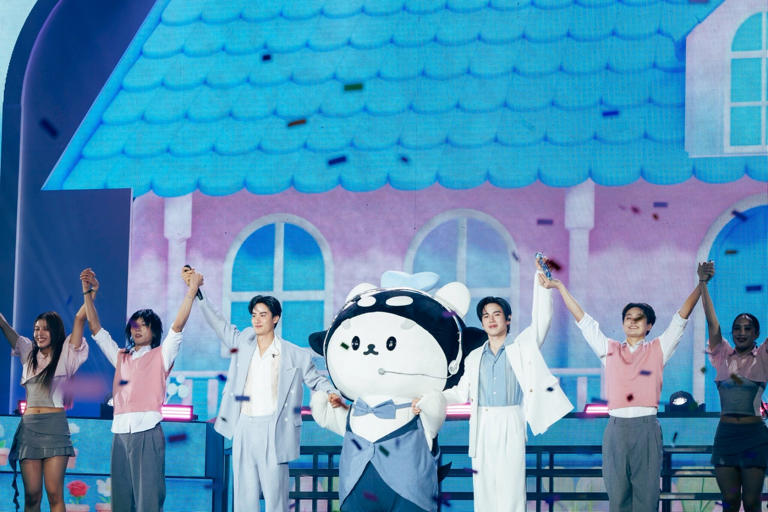
Photo Credit : msn.com
As a result, his impact on the business side of things has been staggering, with a huge surge in merchandise sales that helped boost the merchandise revenue of his parent company, ONEE, by a whopping 98% in 2025, a truly remarkable feat that’s got everyone talking. With his adorable voice and charming personality, Polcasan has won the hearts of many, and it’s clear that he’s here to stay. Whether he’s charming fans with his cute antics or inspiring them with his artistic talents, Polcasan is undoubtedly a force to be reckoned with, and his influence will likely be felt for a long time to come.
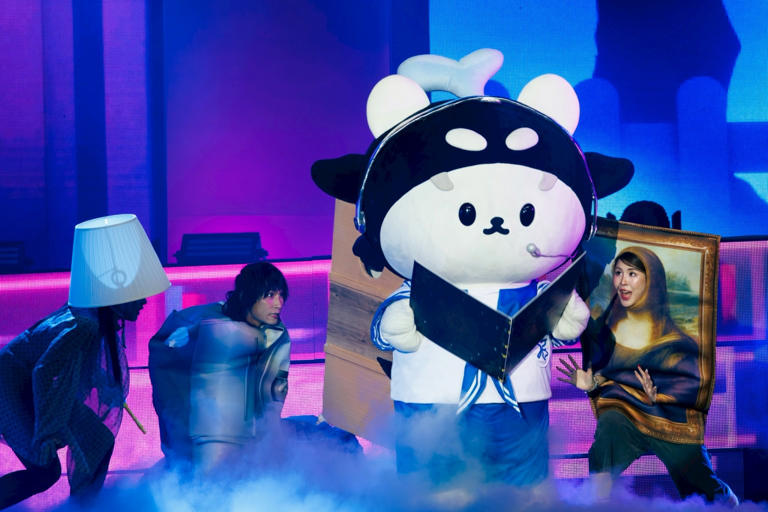
Photo Credit : msn.com
Polcasan’s career has been marked by some really big moments, like the “Polca Fam Meeting” at Union Hall with his Papa Tay (Tawan Vihokratana) and Phorphor New (Thitipoom Techaapaikhun). This event was so popular that it sold out right away, and they even had to add another show. He also showed his leadership skills when he led a mascot parade as the Drum Major, and people loved him so much on social media during the “Speed Run” mascot races that he became a sensation.
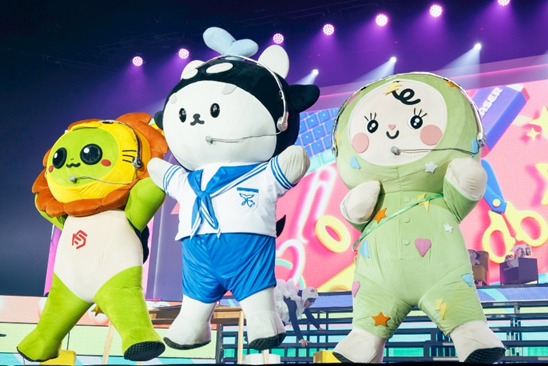
Photo Credit : thestandard.co
Polcasan now holds a total of 12 awards (solo and group), including 6 solo honors: the “HOWE Outstanding Iconic Award” at the HOWE Awards 2025, the “Most Loved Mascot Sticker of the Year” at the LINE Stickers Awards 2025, the “NAKARAT Most Influential Brand Icon Award” at the 8th Nakaraj Awards 2026 on August 9, 2026, the “FEEDxKHAOSOD Spotlight of the Year”, the “HOWE Spotlight Of The Year”, and the “JOOX Cross-Genre Artist Of The Year”. He also won the prestigious “Mascot of the Year” at the 9th Thailand Headlines Person of the Year Awards.Beyond accolades, he has ventured into music with his debut single, “I am POLCASAN,” released on January 15, 2026.The accompanying music video, which takes viewers on a tour across Bangkok, has already garnered over 6 million views.
Photo Credit : Facebook Page “HOWE Magazine”
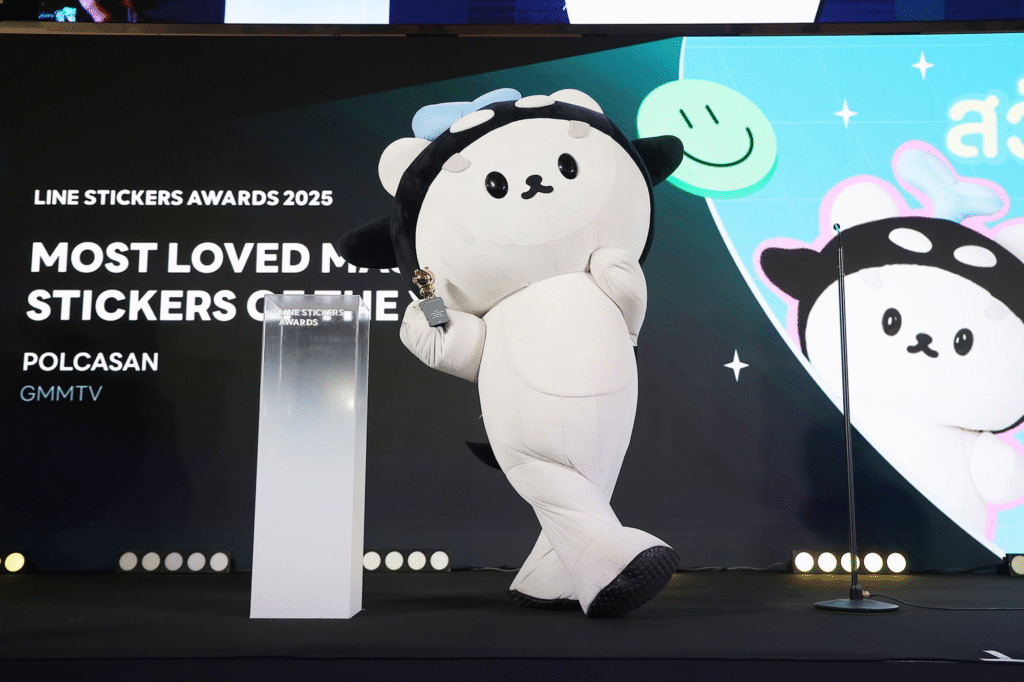
Photo Credit : Facebook Page “GMMTV”
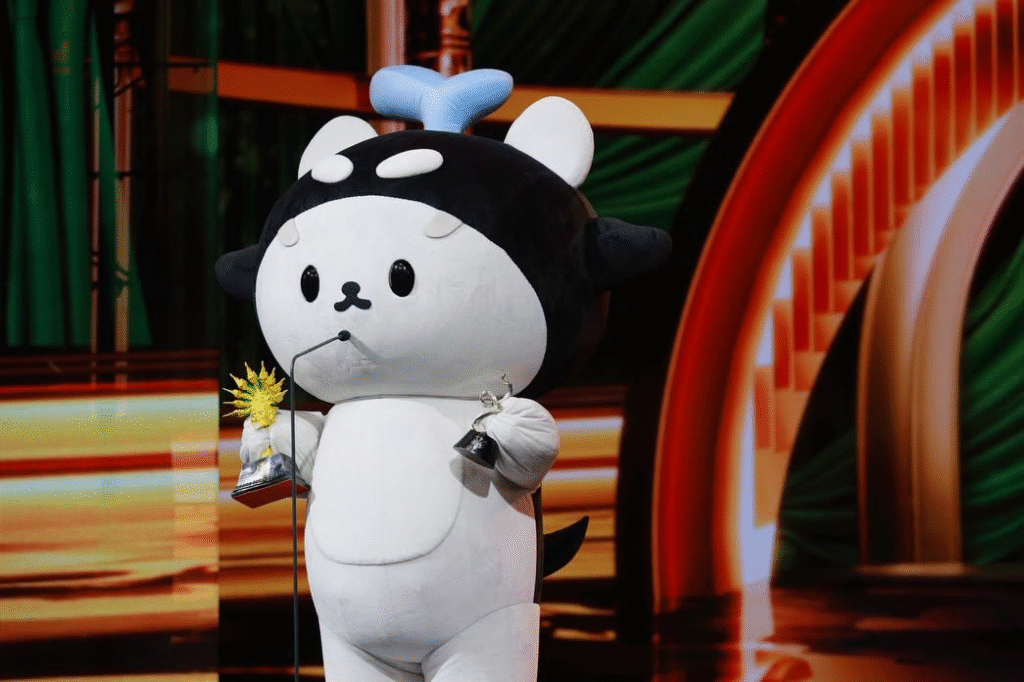
Photo Credit : Facebook Page “GMMTV”
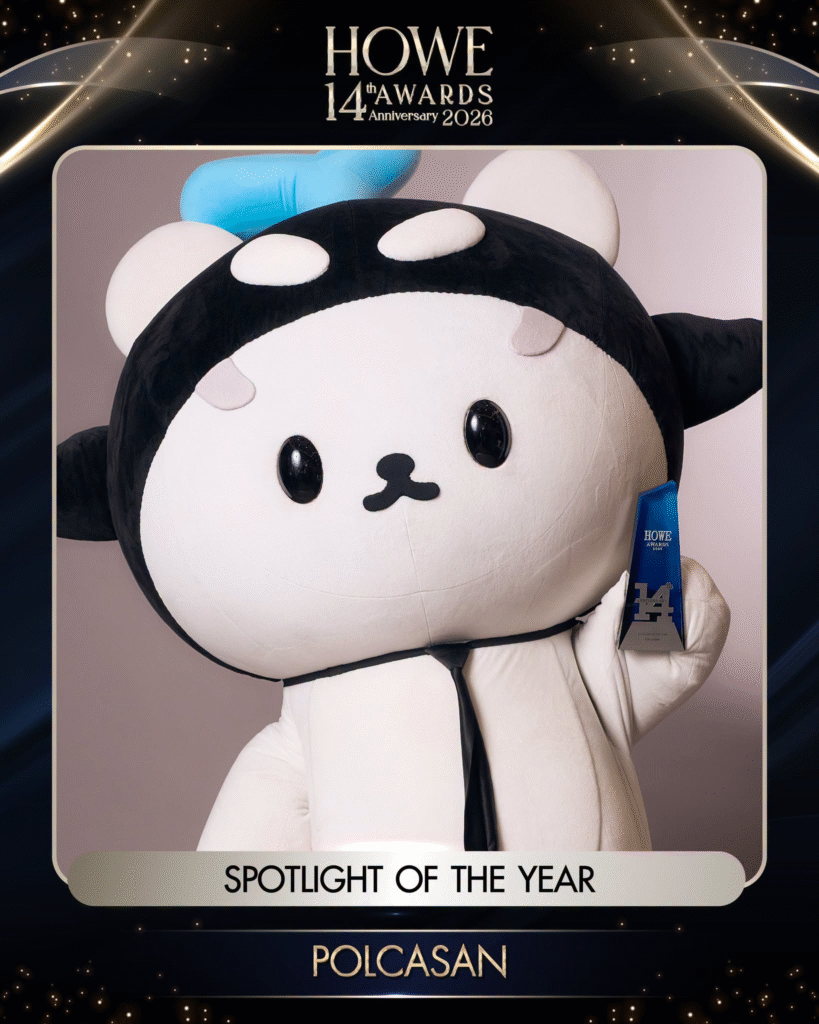
Photo Credit : Facebook Page “HOWE Magazine”
In addition, the broader family of GMMTV Fandom Characters received major industry recognition in 2026, winning the “Character of the Year” award at the Praew Awards 2026 and “Character Icon of the Year” award at the HOWE Awards 2026 14th Anniversary. Alongside his mascot endeavors, Polcasan debuted as a musical artist with his first single, “I am POLCASAN,” released on January 15, 2026. The music video, featuring an adventurous tour around Bangkok, has achieved widespread popularity with over 6 million views.
Polcasan’s musical debut also paved the way for more music releases from other mascots under the company, such as “SAMTUABAHT” (สามตัวบาท), the theme song of GMMTV’s little mascot trio (แก๊ง 3 ตัวบาท) sung by MUVMUV, LUNAR, and ANY. This was followed by “Happy Family,” the latest single from the GMMTV Fandom Characters launched in August 2026, bringing together the adorable mini-mascots to share smiles and sweetness with fans. Additionally, mascot solo music projects have expanded with “This Is Your Boy” by PERMPOON, and “LUNAR Is Here” by LUNAR via GMMTV RECORDS. With all these achievements, it’s clear that Polcasan and his friends are talented and beloved figures. Their ability to connect with fans and bring people together is really something special, and it will be exciting to see what they do next.
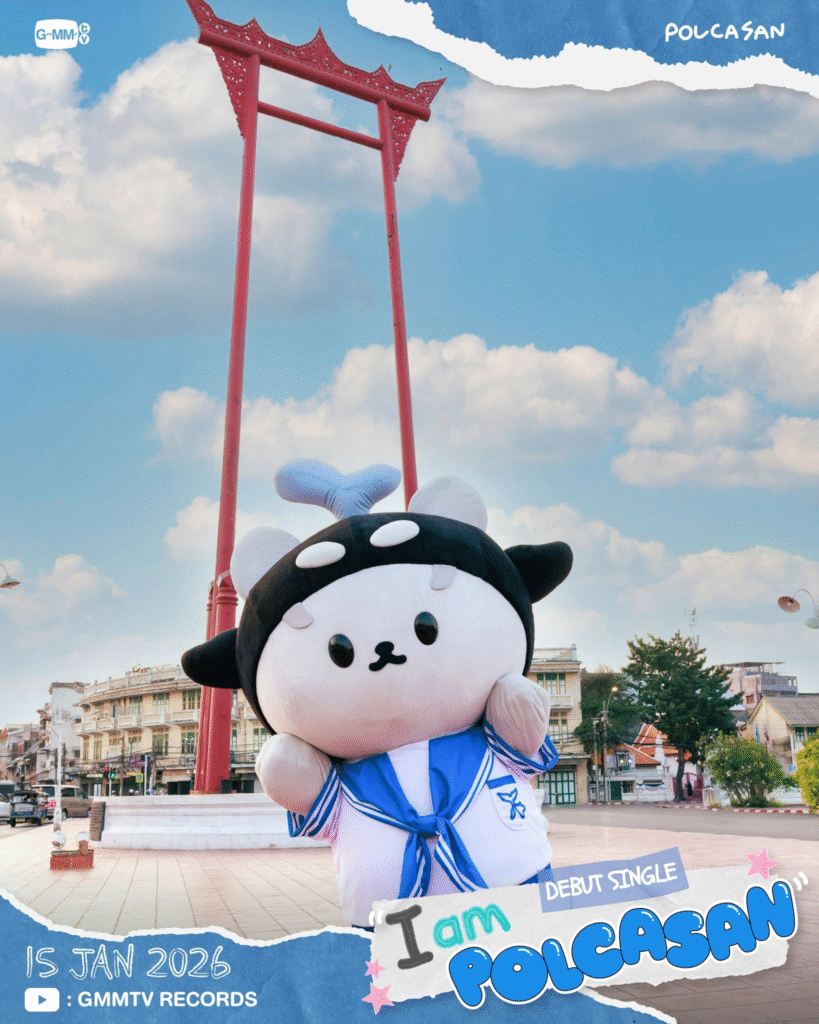
Photo Credit : Facebook Page “GMMTV”
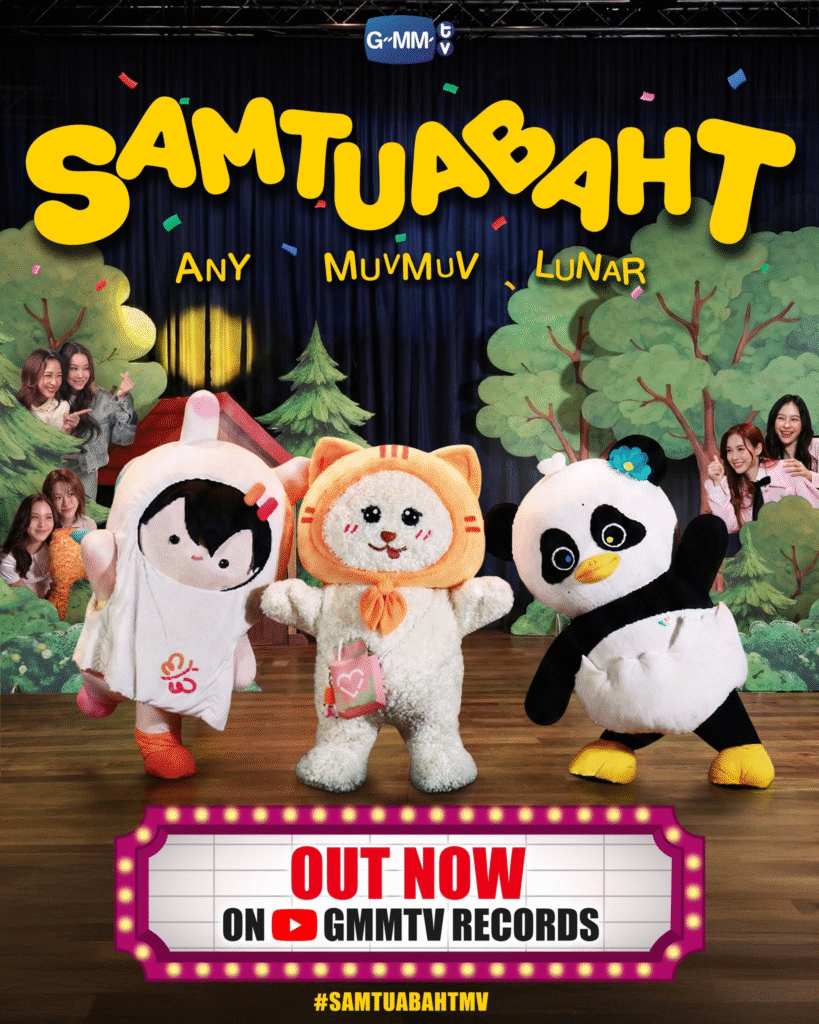
Photo Credit : Facebook Page “GMMTV”
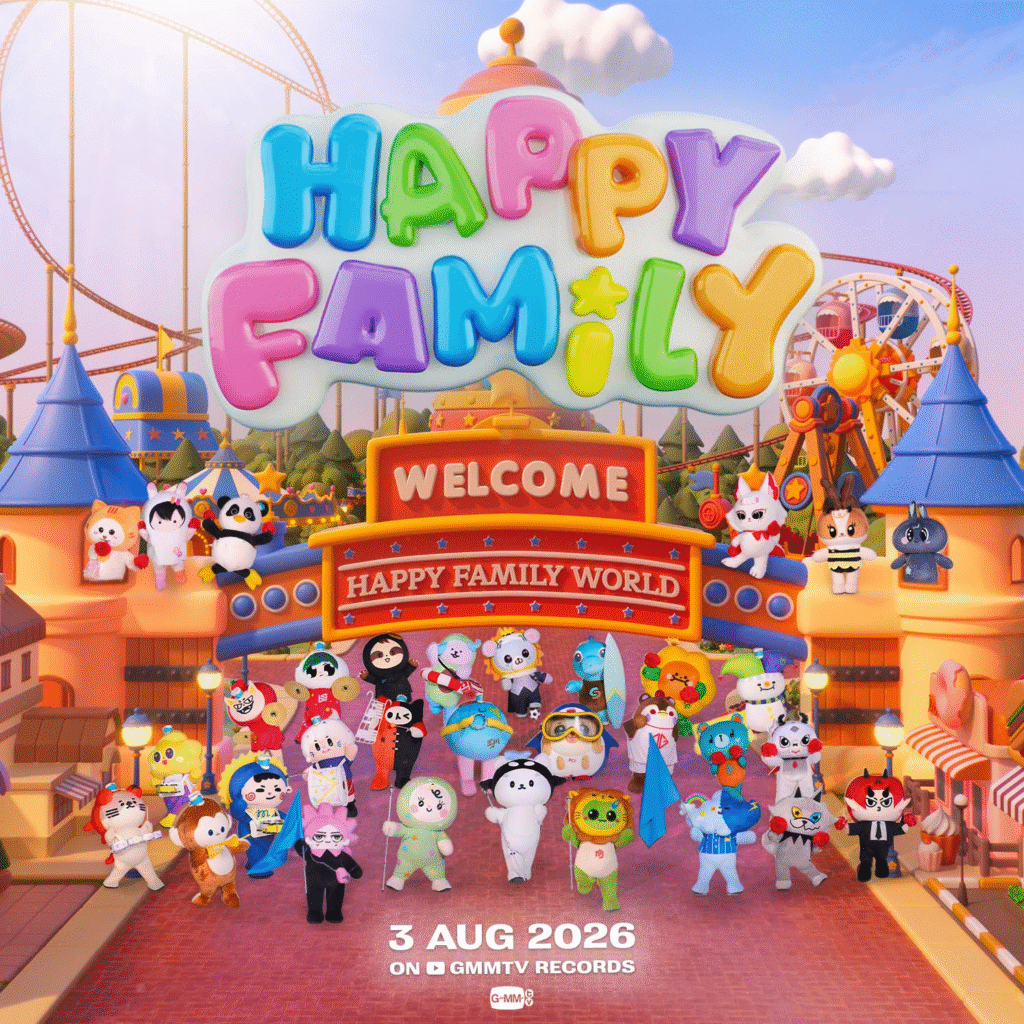
Photo Credit : gmm-tv.com
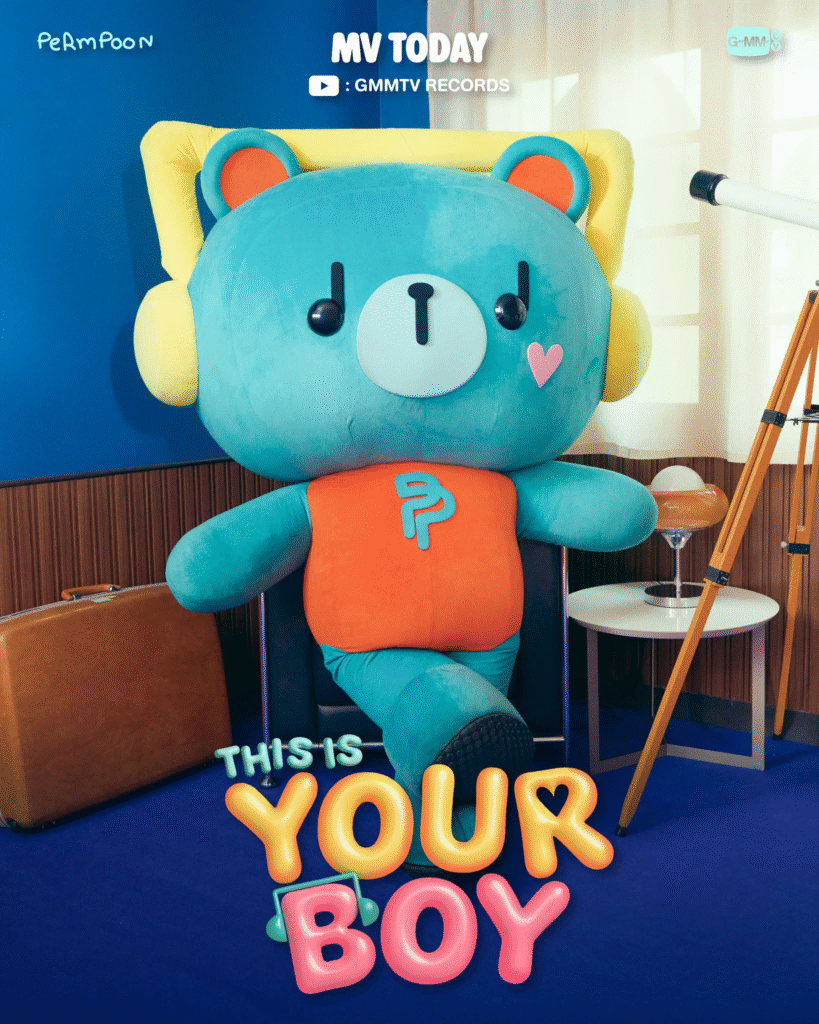
Photo Credit : Facebook Page “GMMTV”
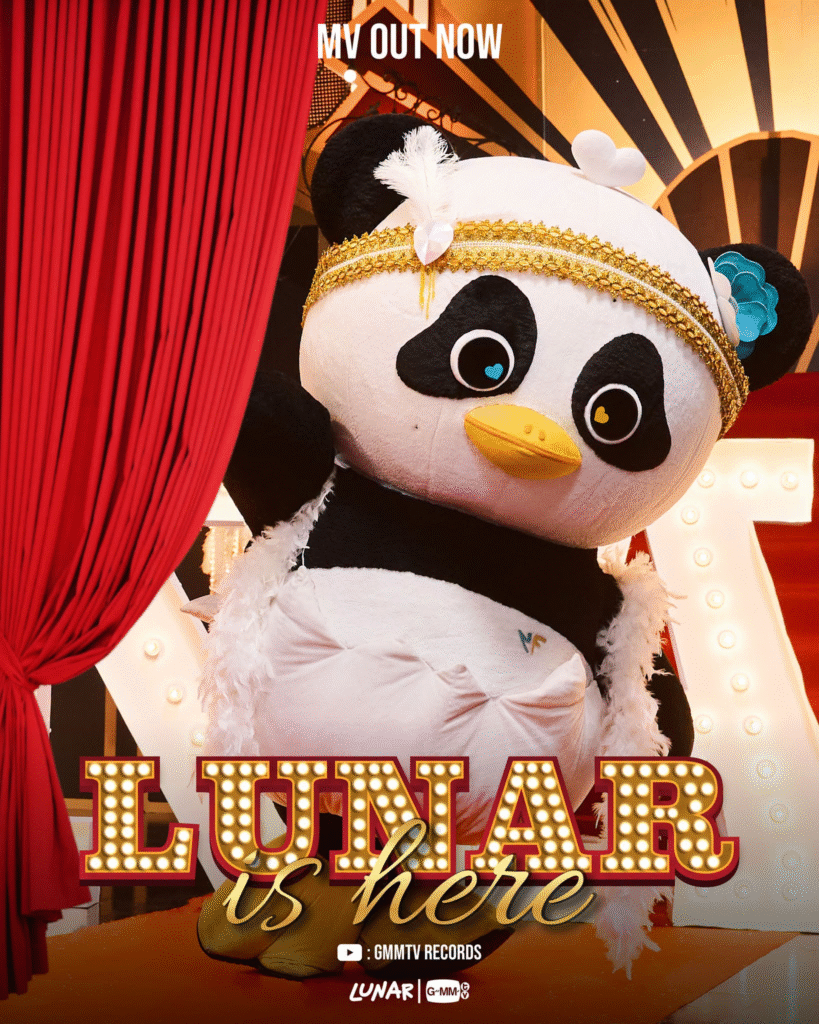
Photo Credit : Facebook Page “GMMTV”
Conclusion
In today’s Thai market, mascots are more than just a company logo – they’re the heart and soul of a brand. They bring together the old and the new, mixing traditional Thai values like community and spirit with the demands of modern technology. By giving companies a fun and creative personality, these mascots make people feel safe and happy, which is especially important for young people navigating the complexities of the digital world. They’re not just costumes, but a way to show the Thai philosophy of sanuk, which is all about finding joy and fun in everyday life. This makes the digital world feel more like a friendly neighborhood. Really, a Thai mascot is a reflection of the Thai people themselves – playful, strong, and always ready to smile and make others feel better.
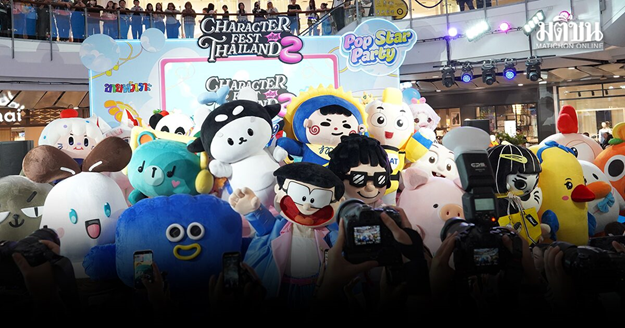
Photo Credit : matichon.co.th
Author: Artima Warinudomsuk
Editor: Tayud Mongkolrat
This article is written with the help of AI.
Sources :
https://alalanguage.com/language-and-culture/nang-kwak
https://fanclubthailand.co.uk/sanuk-the-thai-secret-to-a-more-joyful-life
https://en.moneyandbanking.co.th/2026/226901
https://www.nationthailand.com/business/economy/40053845
https://world.thaipbs.or.th/detail/the-bear-essentials-of-a-successful-mascot/512
https://www.nationthailand.com/lifestyle/food/40031293
https://www.depa.or.th/th/article-view/digital-industry-dashboard-2024
https://capitalread.co/capital-city-mascot
https://www.tpso.go.th/news/2604-0000000006
https://www.mascots.com/blog-4/the-mascot-economy-a-look-at-the-business-behind-the-smiles-37