


Ceramics is one of the oldest human crafts, with a history that stretches back thousands of years. Across the globe, every culture has developed its own distinctive ceramic traditions, shaped by local environments, spiritual beliefs, and everyday life.
Thailand, in particular, possesses a rich and diverse ceramic heritage that reflects its long history and regional variety. Yet, despite their artistic beauty and cultural importance, Thai ceramics remain relatively underrecognized on the global stage.
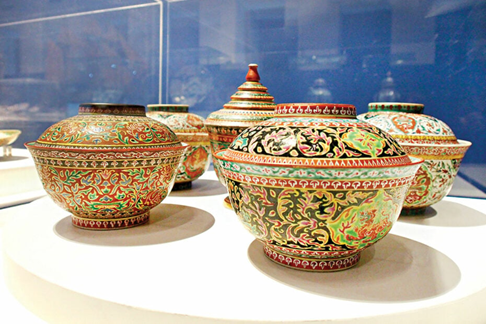
Photo Credit: dailynews.co.th
This article aims to explore the captivating world of Thai ceramics—tracing their historical roots, examining their unique styles, and uncovering their enduring cultural significance.
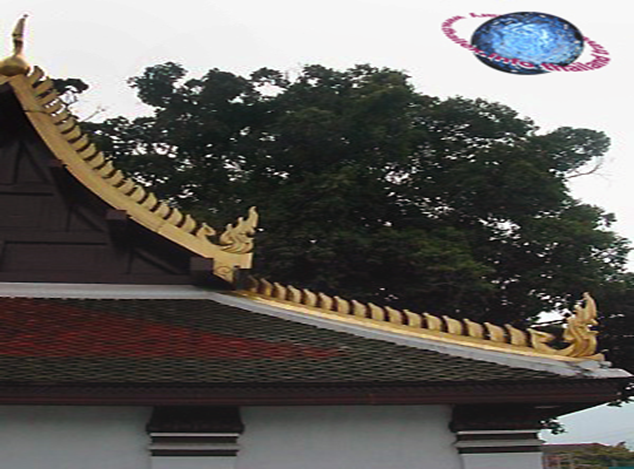
Photo Credit: thailex.info
What are Thai Ceramics?
Thai ceramics refer to ceramic products produced in Thailand both historically and in the present day. These include a wide range of glazed and unglazed objects such as household pottery items—pots, jars, water containers, basins, plates, bowls, cups, trays, containers, and vases—as well as building materials like tiles, lanterns, roof finials, and decorative gable elements such as bai raka and hang hong. Additionally, Thai ceramics encompass figurines of humans and animals used for ritual, decorative, or symbolic purposes.
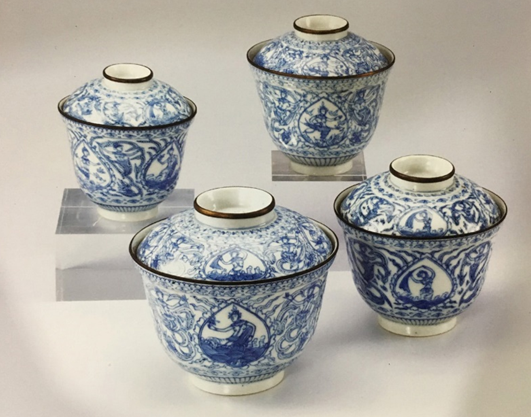
Photo Credit: quinl.com
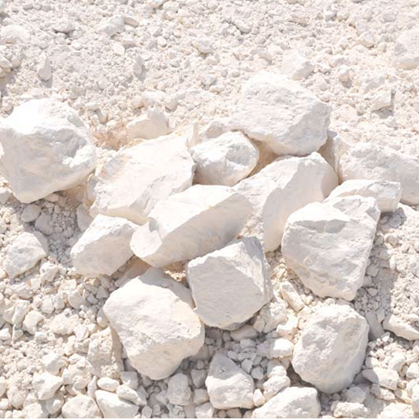
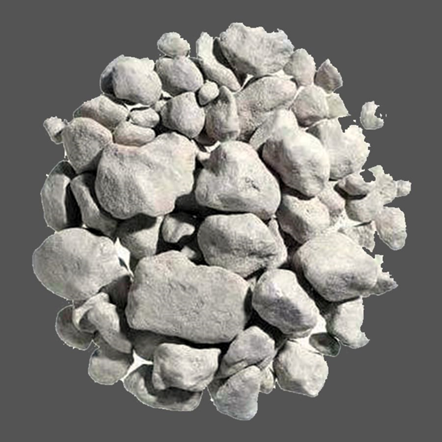
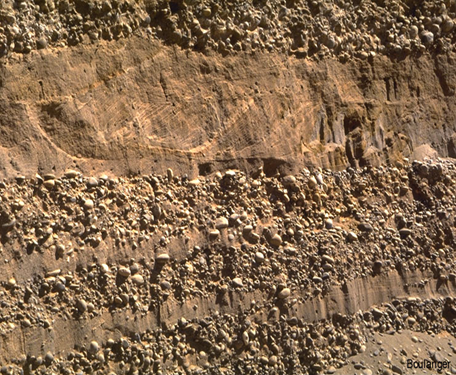
The key raw material in Thai ceramics is clay, which varies in type and composition depending on its origin. The color of clay results from mixtures of organic matter, iron, silica, and lime, which reflect the mineral makeup of the parent rock. Clays rich in organic matter appear black to gray, those with high iron content are red to yellow, while silica and lime yield pale to light gray clay bodies. Ceramic production sites have always been located near high-quality clay deposits for ease of access. Major clay types include kaolin or China clay, a pale, highly heat-resistant clay found mainly in Northern Thailand; ball clay, a fine-grained, plastic clay often dark-colored due to carbon but turning white after firing, sourced from Chonburi and Prachinburi; and alluvial
clay, abundant in lowland plains, valued for its plasticity and workability.
Credit: leternalgroup.com
Credit: aryantiles.com
Credit: ucdavis.edu
To improve ceramic qualities, rock additives are used: quartz or silica, found in Chiang
Mai, Chonburi, and Kanchanaburi, reduces shrinkage and increases heat resistance; feldspar acts as a flux in glazes and clay bodies; limestone is occasionally added to glazes for durability; dolomite enriches tile glazes with calcium and magnesium; pyrophyllite or soapstone from Nakhon Nayok helps reduce warping during firing; and talc produces white-fired clay products.
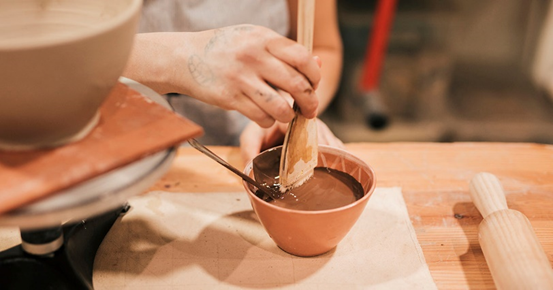
Photo Credit: potteryclaythailand.com
The techniques and types of Thai ceramics reflect centuries of craftsmanship, technical evolution, and cultural expression. Traditionally, forming methods included hand-building techniques such as free-hand shaping, coil building, slab forming, and wheel throwing, while mold-pressing was used for producing consistent shapes, especially in mass production.
Decoration is a key aspect of Thai ceramics, incorporating surface ornamentation through stamping, impressing, incising, carving, and clay appliqué, as well as finishing techniques such as polishing, burnishing, slip application, smoke firing, and painting. Glazing enhances both functionality and aesthetics, with glazes ranging from transparent, opaque, clear, matte, crystalline, to crackle types. The firing process plays a critical role, with ancient Thai kilns classified by heat flow direction into updraft kilns, where heat rises vertically, and cross-draft kilns, where heat moves horizontally. Kilns are further categorized by structure as open kilns, underground tunnel or pit kilns, and above-ground enclosed kilns, each requiring precise temperature control.
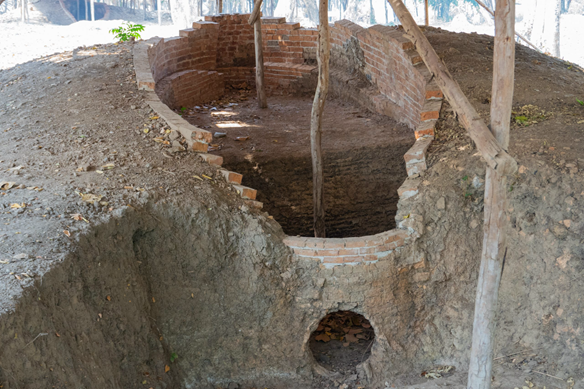
Photo Credit: psamathe.net
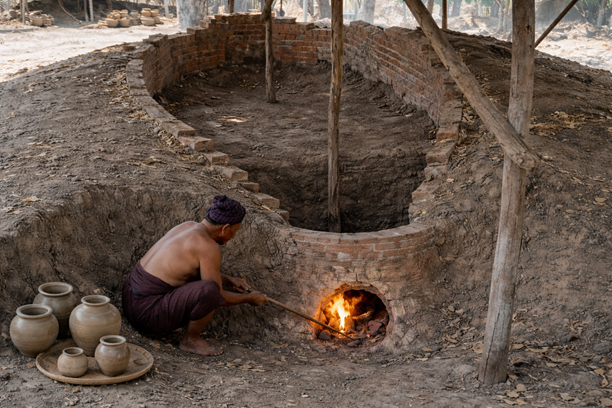
Credit: Generated by Artificial Intelligence
Thai ceramics are broadly categorized based on clay composition and firing temperature into several distinct types. Earthenware, made from basic clay sometimes mixed with sand, is typically unglazed, fired below 850°C for terracotta or between 850–1050°C for earthenware, resulting in porous, red ceramics used for storage jars, water vessels, Buddha images, and architectural tiles. Unglazed stoneware is fired at higher temperatures (1150–1300°C), producing hard, dense bodies with minimal porosity in earth-toned colors, used for jars, mortars, and vases, particularly in Lanna, Sukhothai, and Khmer kilns. Glazed stoneware, a hallmark of Thai ceramics, is high-fired and coated with glazes for durability and water resistance. Prominent examples include Sangkhalok ware from Sukhothai, Si Satchanalai, and Lanna. Monochrome glazed wares such as celadon, with jade-green or olive glazes made from wood ash and feldspar, opaque white glazes, and brown glazes are common. Two-color glazed wares combine tones such as green or white with brown, while underglaze black decorated wares feature dark patterns beneath clear glaze, and overglaze painted wares use colored enamels fired at low temperatures, with the latter more common in imported Chinese Benjarong wares.
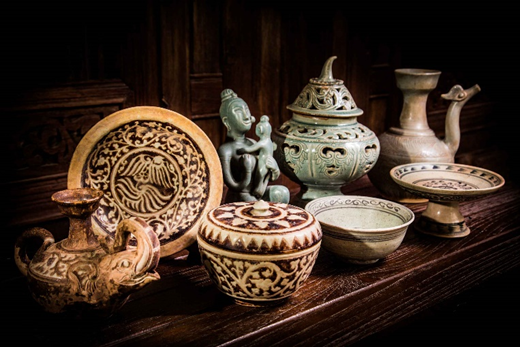
Photo Credit: museumthailand.com
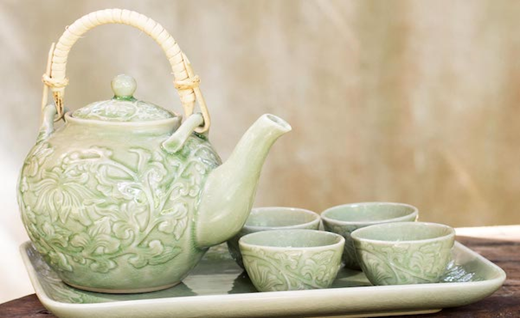
Credit: novica.com
Architectural ceramics have also been significant in Thai religious and cultural contexts, producing roof tiles, floor tiles, finials, gable decorations, and mythical creature sculptures such as Nāga and Kinnaree, especially in Lanna and Sukhothai. Figurines include small clay or glazed statues of people and animals for rituals and symbolic uses, such as chess pieces, dolls, and ceremonial animals. Porcelain, a high-fired ceramic made from fine white kaolin clay fired at 1280–1350°C, is characterized by its non-porous, translucent, and thin-bodied nature. However, due to the absence of natural kaolin sources, historical porcelain production did not exist in Thailand, and most porcelain was imported from China and Vietnam or produced in modern times using imported raw materials.
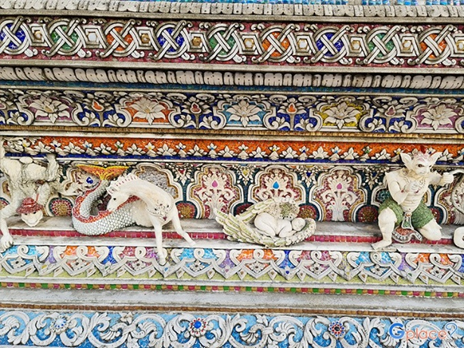
Photo Credit: en.gplace.com
Conclusion
Thai ceramics embody an enduring tradition of technical mastery, artistic expression, and cultural identity rooted in the landscapes, resources, and history of Thailand. Their beauty lies not only in their forms and glazes but also in their ability to reflect the lives, beliefs, and creativity of the Thai people.
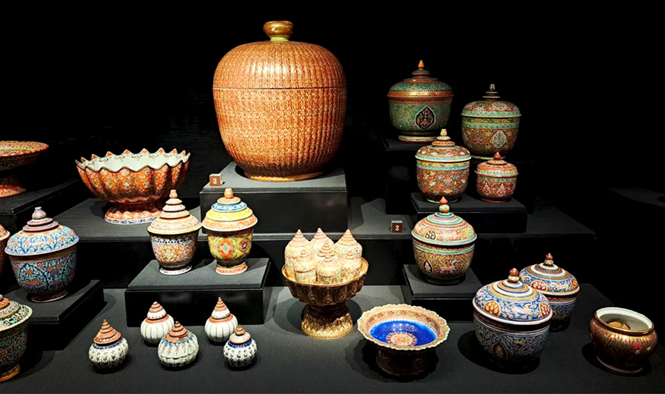
Photo Credit : uniqueurn.com
In the second part of this series, we will explore the historical development of Thai ceramics, tracing their evolution from prehistoric pottery to the celebrated wares of Sukhothai, Si Satchanalai, and beyond.
Sources
- Khreuang Pan Dinphao [Pottery]. 2011. Bangkok: Khati Publishing.
- OpenAI. (2023). ChatGPT (Mar 14 version) [Large language model]. https://chat.openai.com/chat
Editor: Tayud Mongkolrat