


The story of Thai cinema is a dynamic part of contemporary Thai culture and heritage, reflecting the country’s creativity, values, and evolving social landscape through the power of storytelling.
Thai cinema is one of Southeast Asia’s most dynamic and distinctive film industries. From emotionally charged dramas and spine-chilling horror to LGBTQ+ stories and award-winning art-house films, Thai cinema offers rich diversity in storytelling, shaped by culture, belief, and social change. This article takes you on a journey through its evolution, exploring how Thai cinema grew from early foreign imports into a powerful cultural force that continues to captivate audiences around the world.
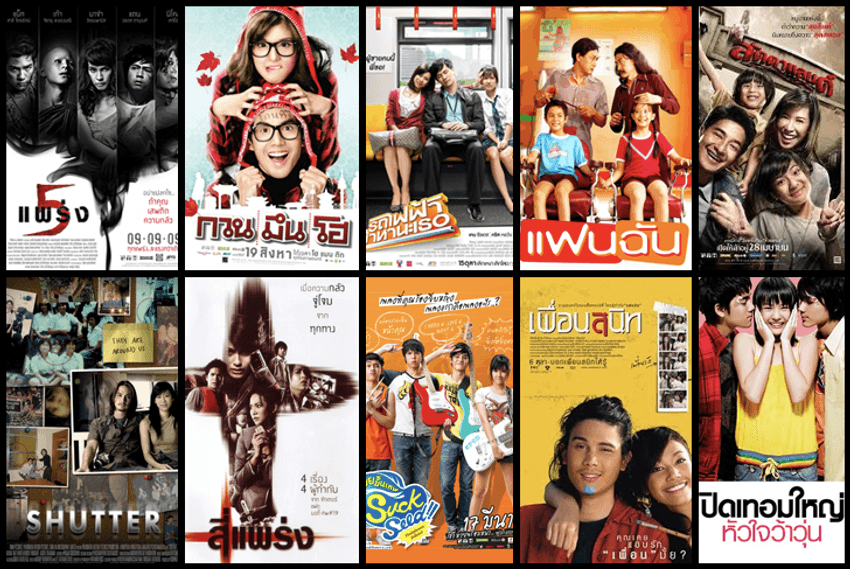
Photo Credit : sanook.com
Defining Characteristics of Thai Cinema
Thai cinema is distinguished by its ability to evoke strong emotional responses, often blending humor, heartbreak, fear, and tenderness within a single narrative. Rather than focusing on a single tone, many Thai films create layered emotional experiences that feel both intense and deeply human. This emphasis on feeling remains one of the defining strengths of Thai storytelling.
Thai Cinema
Photo Credit : shopee.co.th
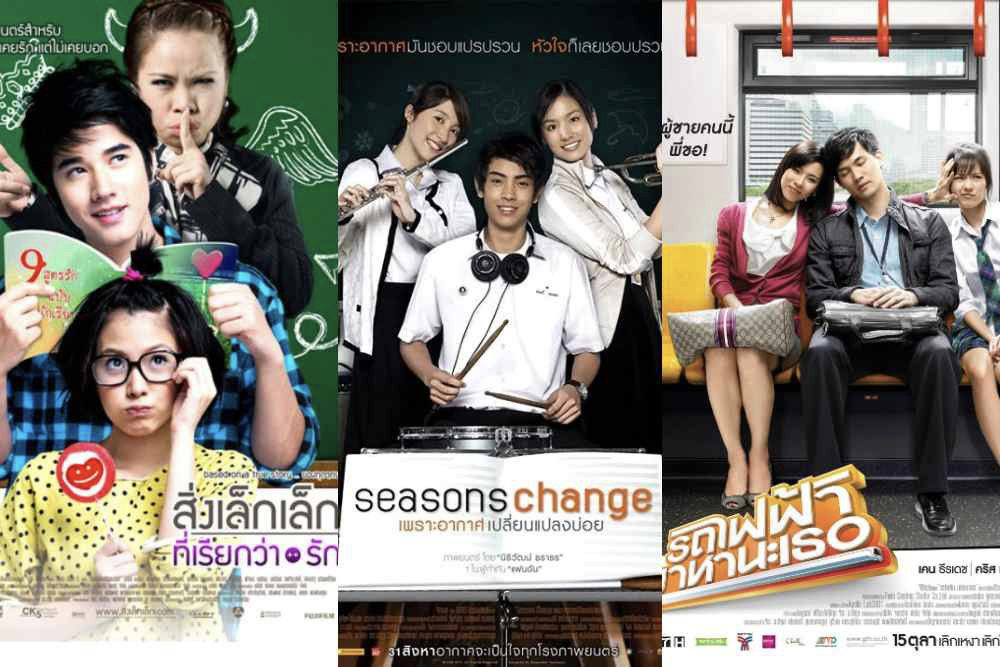
Another key characteristic is the presence of spiritual and cultural elements. Themes of karma, ghosts, and the unseen world frequently appear across genres, reflecting the influence of Buddhism and local beliefs in Thai society. These elements give Thai films a distinctive depth, where the supernatural often carries moral or emotional meaning rather than serving as mere spectacle.
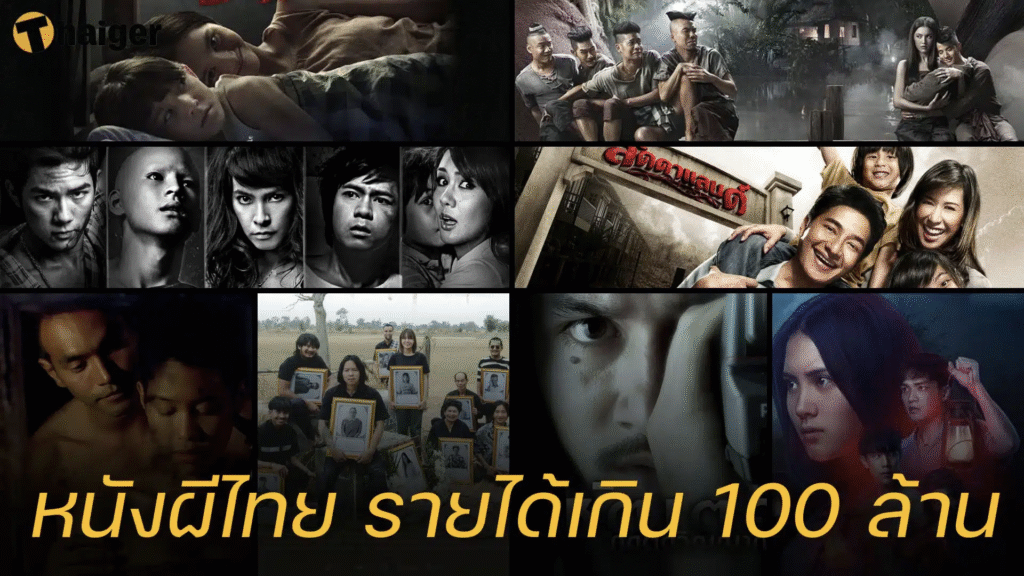
Photo Credit : thethaiger.com
Thai cinema also reflects a strong sense of “Thainess,” embedding social values such as respect, hierarchy, family bonds, and community into its narratives. At the same time, it demonstrates a remarkable openness, absorbing global influences while maintaining a unique cultural identity. This balance between local authenticity and global relatability allows Thai films to resonate with audiences both at home and around the world.

Photo Credit : sanook.com
History of Thai Cinema
Thai cinema began in 1897 as a foreign-imported form of entertainment, captivating audiences in Siam with moving images that resembled traditional shadow puppetry. Early development was driven by both foreign exhibitors and members of the Thai royal family, who helped introduce filmmaking equipment and knowledge. By the 1920s and 1930s, Thailand began producing its own films, transitioning from silent productions with live narration to sound films, marking the birth of a local film industry and a shift toward original Thai storytelling.
Following a disruption during World War II, Thai cinema entered a period of rapid expansion from the late 1940s to the 1970s. The widespread use of 16mm film made production more accessible, leading to a boom in filmmaking and the rise of a vibrant mass entertainment industry. During this era, star-driven films and formulaic storytelling dominated, with cinema becoming deeply embedded in everyday Thai life. However, by the 1980s, the industry faced decline due to competition from television and Hollywood films, along with structural changes in how audiences consumed media.
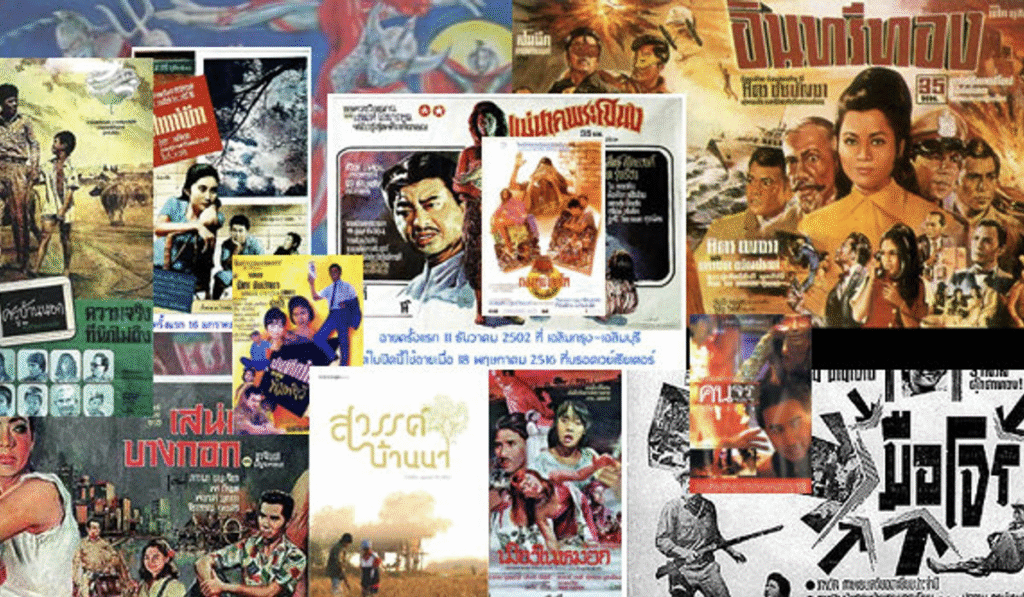
Photo Credit : sanook.com
The industry experienced a major revival in the late 1990s, as a new generation of filmmakers brought fresh creativity, higher production values, and international recognition. This “New Wave” era positioned Thai cinema as both a strong domestic industry and a cultural export. In recent years, Thai cinema has continued to evolve through digital platforms and global distribution, expanding its reach while embracing diverse genres and storytelling styles. Today, it stands as a dynamic industry that balances local identity with global appeal, reflecting Thailand’s culture while connecting with audiences worldwide.
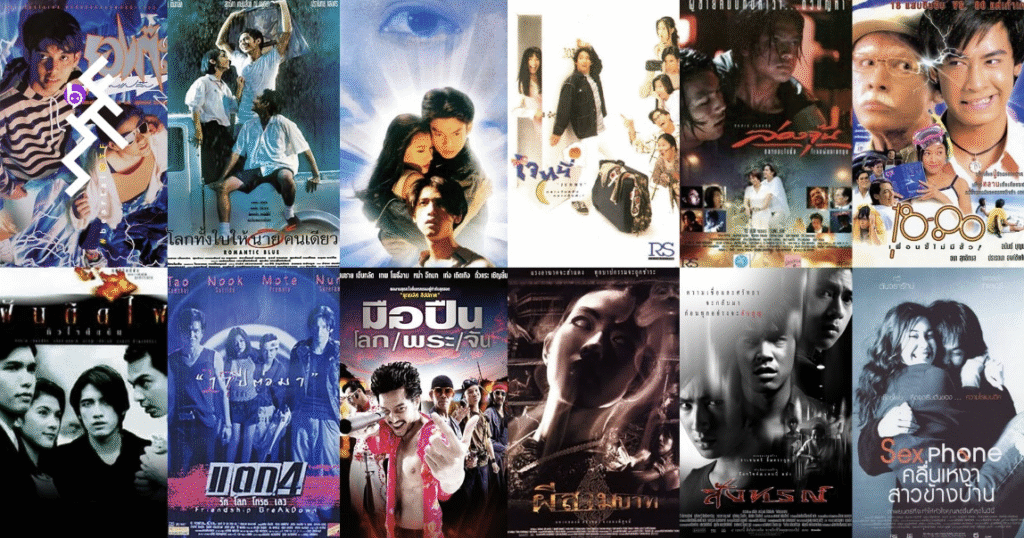
Photo Credit : beartai.com
Outstanding Genres
Thai cinema is known for a range of distinctive and well-established genres that have shaped its identity both locally and internationally. From spine-chilling horror to heartfelt romance and high-energy action, each genre offers a unique window into Thai storytelling. Exploring these standout genres provides a deeper understanding of what makes Thai cinema so compelling.
Horror
Thai horror is one of the country’s most internationally recognized genres, distinguished by its deep roots in local beliefs about ghosts and karma. Rather than relying solely on jump scares, Thai horror often weaves in tragedy, romance, and moral consequence, making it both frightening and emotionally resonant. Films such as Shutter (2004) and The Medium (2021) have gained global acclaim, while Nang Nak (1999) reinterpreted folklore through horror with powerful emotional depth.
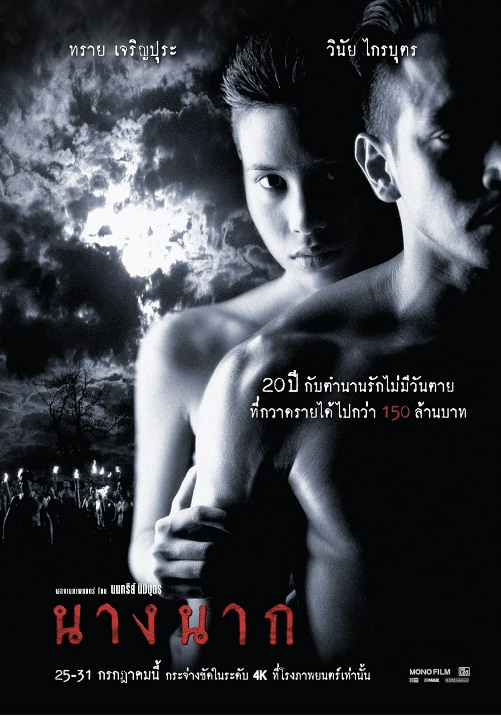
Photo Credit : imdb.com

Photo Credit : imdb.com
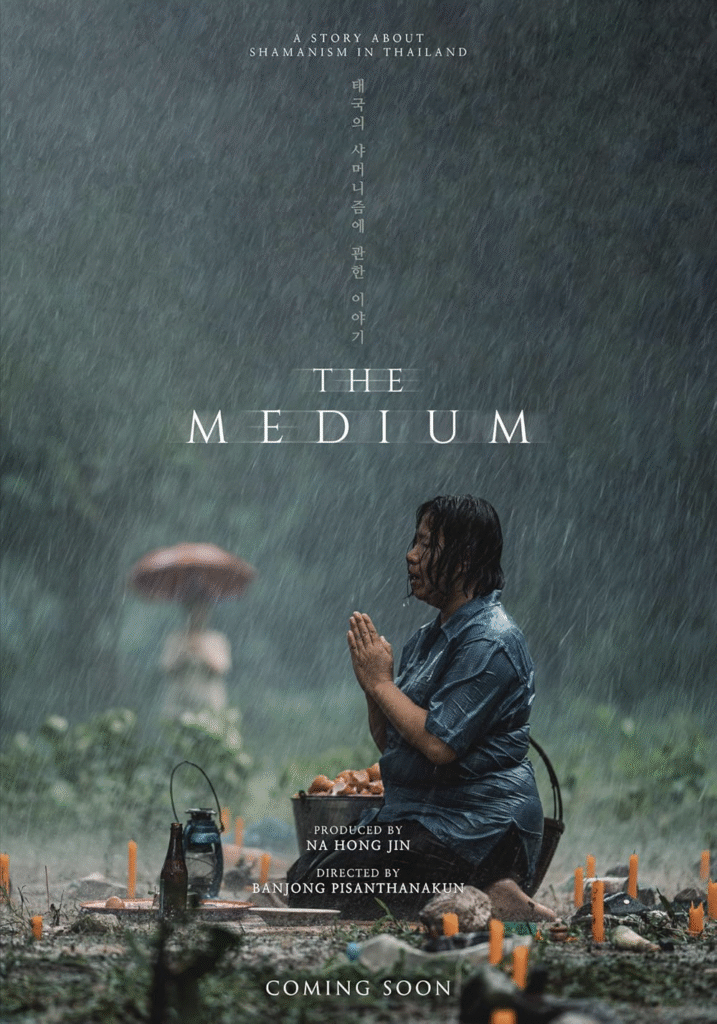
Photo Credit : imdb.com
Comedy
Comedy has long been a cornerstone of Thai cinema, appealing strongly to local audiences through its energetic style, physical humor, and culturally specific wit. Thai comedies often exaggerate everyday situations and social dynamics, making them both entertaining and reflective of real life. Films such as Hello Stranger (2010), I Fine..Thank You..Love You (2014), and The Con-Heartist (2020) highlight the genre’s broad appeal, combining humor with romance and contemporary Thai life in ways that resonate with both local and international audiences.
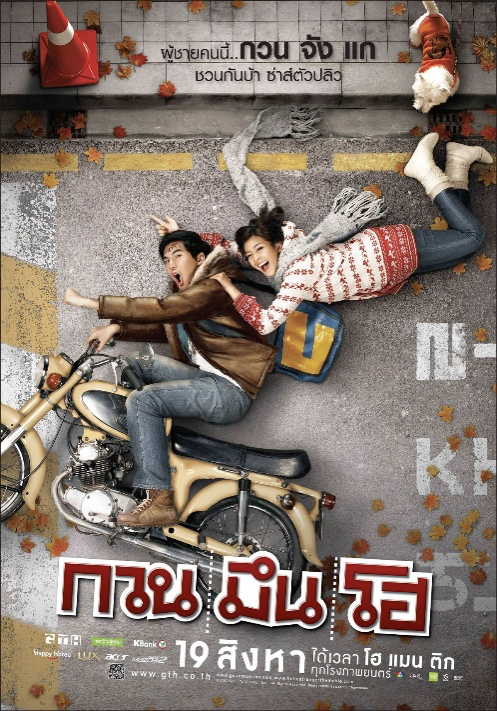
Photo Credit : imdb.com

Photo Credit : imdb.com

Photo Credit : imdb.com
Romance & Drama
Thai romance and drama films are known for their emotional intensity, often exploring themes of love, fate, sacrifice, and family. These stories resonate widely due to their universal themes, while still being grounded in Thai cultural values and social contexts. Popular films such as Friend Zone (2019), Crazy Little Thing Called Love (2010), and How to Make Millions Before Grandma Dies (2024) highlight the genre’s ability to balance heartfelt storytelling with relatability and charm.

Photo Credit : imdb.com

Photo Credit : imdb.com

Photo Credit : imdb.com
Action & Martial Arts
Thai action cinema gained global recognition through its emphasis on physical authenticity, particularly through Muay Thai–inspired elements. These films often prioritize real stunts and practical effects, creating a visceral and grounded viewing experience. The Ong-Bak series (2003–2010), starring Tony Jaa, is the most iconic example, showcasing Thailand’s martial arts tradition to international audiences and cementing the country’s reputation in action cinema.
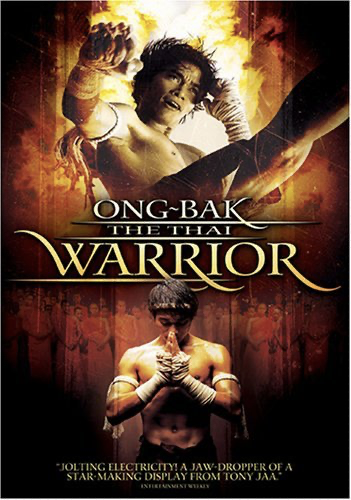
Photo Credit : imdb.com
Art-house Cinema
Thai art-house cinema has earned critical acclaim worldwide for its slow, meditative storytelling and rich symbolic layers. Often exploring themes of memory, identity, and spirituality, these films offer a contemplative alternative to mainstream entertainment. Director Apichatpong Weerasethakul is one of the most prominent figures in this space, with works such as Uncle Boonmee Who Can Recall His Past Lives (2010), which won the Palme d’Or at Cannes, bringing global attention to Thai independent cinema.

Photo Credit : netflix.com
LGBTQ+, BL, and GL Films
In recent years, Thailand has become a global leader in LGBTQ+ storytelling, particularly through BL (Boys’ Love) and GL (Girls’ Love) content. These stories, often centered on romantic relationships, have attracted massive international fanbases and contributed significantly to Thailand’s cultural influence abroad. While much of this content exists in series form, films such as Love of Siam (2007) played a pioneering role, and the continued popularity of BL/GL adaptations reflects the genre’s growing impact on global audiences.
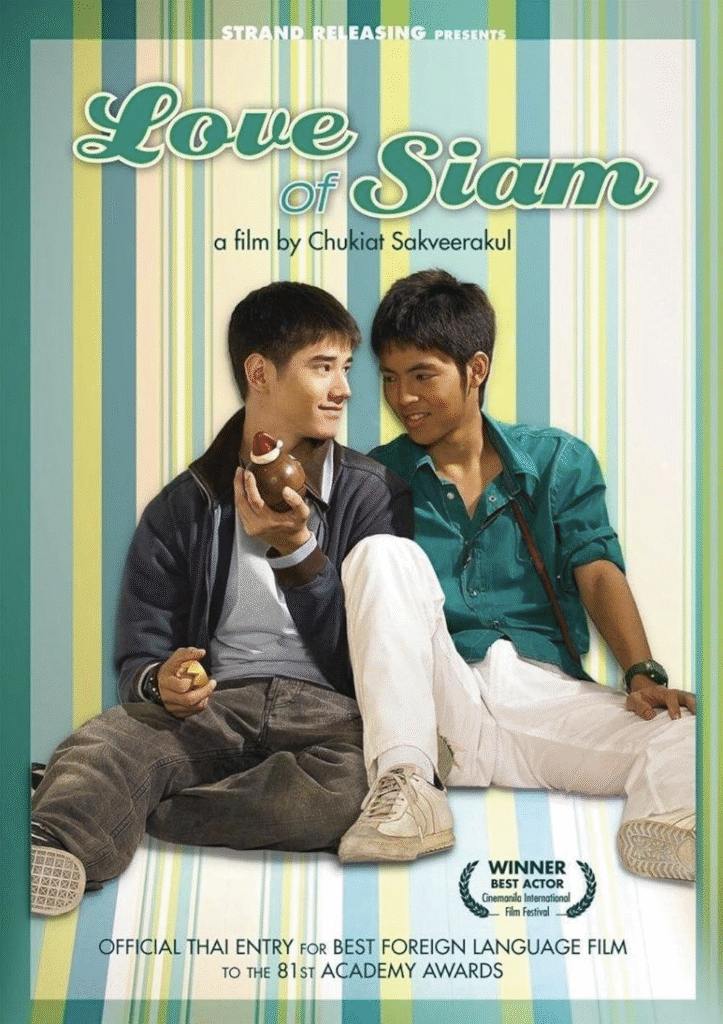
Photo Credit : imdb.com
Genre-Blending
While Thai cinema is rich in distinct genres, one of its defining characteristics is its ability to combine them in creative and unexpected ways. Films frequently mix elements such as horror and comedy or romance and action, resulting in stories that shift tone fluidly while remaining engaging. Pee Mak (2013) is a standout example of this approach. The film is a retelling of the classic Thai ghost legend of Mae Nak, following a man who returns home from war to live with his wife, unaware that she has become a ghost. The film seamlessly blends horror, comedy, and touching romance, and its massive success highlights the uniquely dynamic storytelling that continues to define contemporary Thai cinema.

Photo Credit : imdb.com
Conclusion
From its beginnings as a foreign import to its emergence as a vibrant cultural industry, Thai cinema has continually evolved alongside the country itself. Its rich history, diverse genres, and distinctive storytelling offer audiences more than just entertainment. They provide insight into Thailand’s culture, values, and way of life.

Pee Mak (2013): 1,000 Million Baht, Death Whisperer 2 (2024): 815 Million Baht, The Undertaker (2023): 700 Million Baht, The Legend of Suriyothai (2001): 550 Million Baht, Death Whisperer (2023): 502 Million Baht, Death Whisperer 3 (2025): 456 Million Baht
Photo Credit : Facebook Page “ปรากฏการณ์หนัง”
For those willing to explore beyond mainstream global cinema, Thai films offer a rewarding and often surprising experience. Whether through laughter, fear, or heartfelt emotion, they open a window into the heart of Thailand, inviting viewers to discover stories that are at once uniquely Thai and universally human.
Join us in exploring more stories of Thailand as we take you on a journey to discover Thainess through everyday objects and traditions.
Sources :
- Asst. Prof. Dr. Pongsavee Suphanont: ประวัติพัฒนาการภาพยนตร์ไทย [History and Development of Thai Cinema]
https://ssrudlp.ssru.ac.th/data-file/teacher_work/file/cbb84b0687061b3546975418dbd84278.pdf - Marco Neveu: History of the Film Industry in Thailand
https://umoonproductions.com/history-of-the-thai-film-industry
Writer: Tayud Mongkolrat
* This article is written with help of AI.