

Music has always been a reflection of culture and identity, and in Thailand, it represents the nation’s changes throughout the ages. In today’s dynamic and ever-changing musical landscape, one realm of music has consistently thrived and evolved – Thai contemporary music. This vibrant and diverse genre is a fusion of Thailand’s rich musical traditions and the global sounds that we are all familiar with today. By blending old traditions with new, Thai contemporary music creates something relevant to the times while preserving the spirit of Thainess.
Credit: learn-thai-podcast.com
What does “Thai Contemporary Music” truly represent?
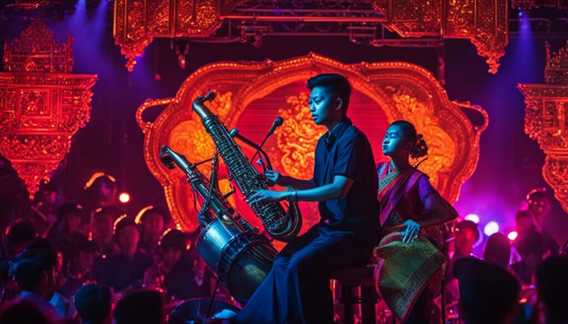
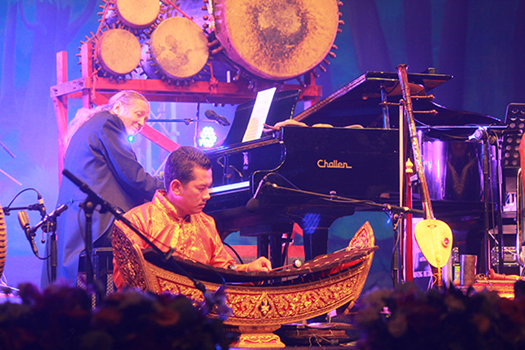
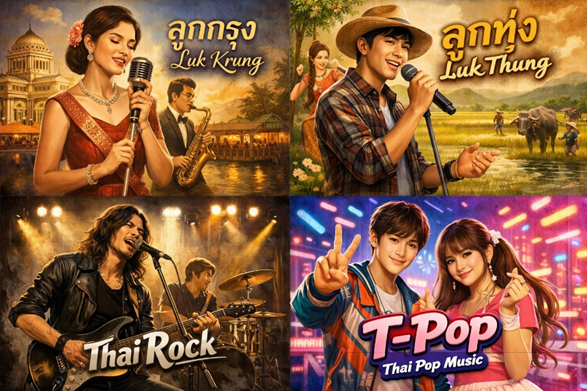
Thai contemporary music refers to music composed and created by Thai artists that combines elements of foreign or Western music, such as instruments, with elements of Thailand’s music heritage. The genre has birthed an abundant amount of new music styles in Thailand, mainstream and underground alike. Some of the most influential recognized genres include classics like luk krung (ลูกกรุง) and luk thung (ลูกทุ่ง), all the way to Thai rock or T-Pop (Thai pop music). Moreover, Thai contemporary music also encompasses orchestral works, electronic music, jazz, reggae, punk, techno, and many more.
Credit: bangkoklifenews.com
Credit: Generated by Artificial Intelligence
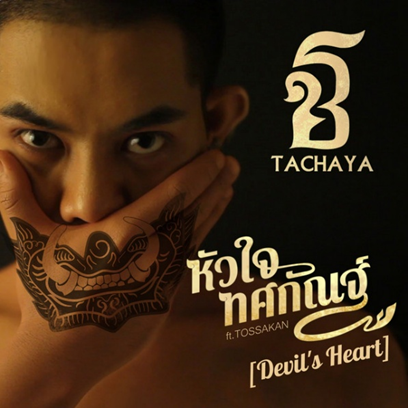
The very nature of Thai contemporary music is intriguing, as it is not necessarily Thai or foreign. It is created according to a composer’s mood and their creative thoughts. For instance, one can use imagination to devise new lyrics in Thai for a modern rhythm or beat, ultimately ending up with a track that sings the Thai soul but with the melody replaced with a more foreign and moderately paced one.
Credit: open.spotify.com
Thai contemporary music has played many roles throughout history. It serves as a powerful tool for cultural expression, building on and reinterpreting Thailand’s rich identity in a rapidly globalizing world. It also acts as a medium for a whole new realm of artistic expression, allowing Thai musicians and artists to explore new possibilities in music. Many utilize this genre as a platform for social commentary, addressing issues such as inequality, youth identity, political change, and cultural preservation. Above all, Thai contemporary music is still a vibrant force, shaping and impacting the daily lives of its consumers.
History and Development of Thai Contemporary Music
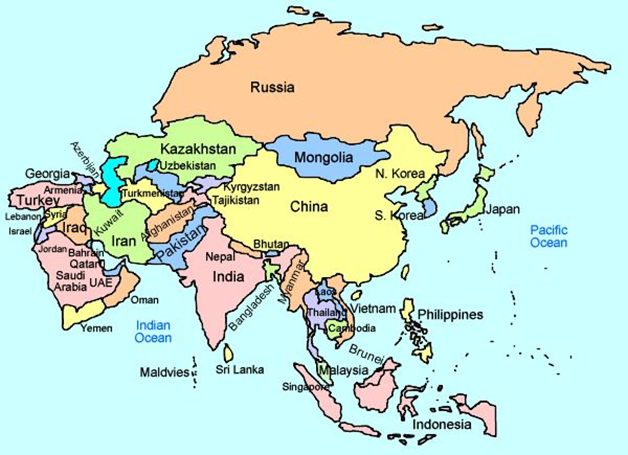
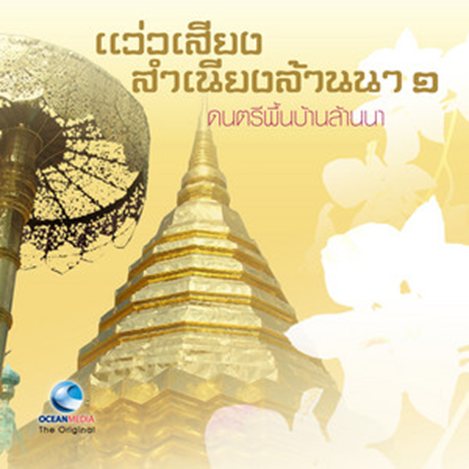
Geographically, Thailand sits centrally between rich cultural hubs, such as India and China. This means that diverse cultures and traditions have continued to help shape Thailand’s own culture, including its music, throughout the ages. This resulted in Thai traditional music having categories of “accents (สำเนียง)” influenced by other musical traditions, each with its own set of rules and aesthetics. These accents include Mon, Chinese, Lao, and Western, among others.
Credit: Pinterest by น้ำ สีฟ้า
Credit: open.spotify.com
The Foundations: Late 19th to Early 20th Century
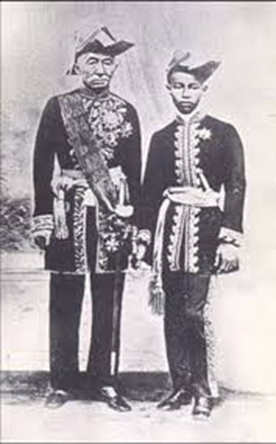
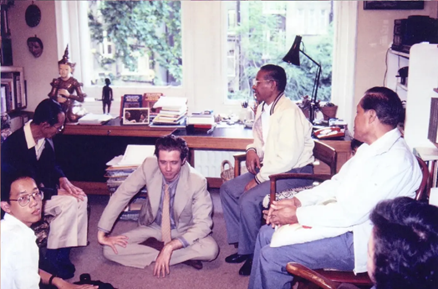
The story of Thai contemporary music begins in the late 1800s, a time of cultural modernization under the late King Rama IV and King Rama V (Chulalongkorn). As Thailand opened up more to the West, its experiences and exchanges with the Western world expanded as young Thai nobles traveled to learn and explore abroad for the first time or skilled Westerners came to the country with new ideas and traditions. Consequently, Western musical instruments, theories, and notational systems were introduced to Thai royal courts, schools, and military bands. During this time, the foundations were laid for Thai musicians to begin experimenting with cross-cultural synthesis.
Credit: researchgate.net
Credit: bangkokbiznews.com
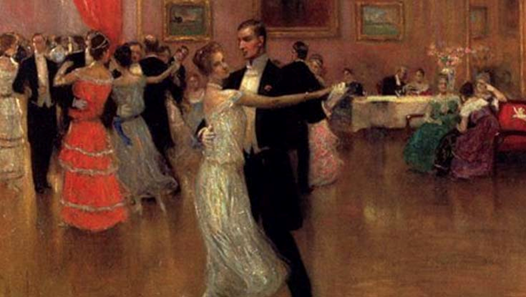
The early 20th century saw further integration of Western musical forms into Thai life. Western marches, waltzes, and hymns became common in Thai schools and public ceremonies, which allowed for a growing familiarity with Western harmonic structures. This exposure helped set the groundwork for later developments in composition and popular music, providing young Thai musicians with the tools to engage with a broader musical vocabulary.

Credit: classicalwcrb.org
Credit: musictheoryacademy.com

Credit: theologyforum.wordpress.com
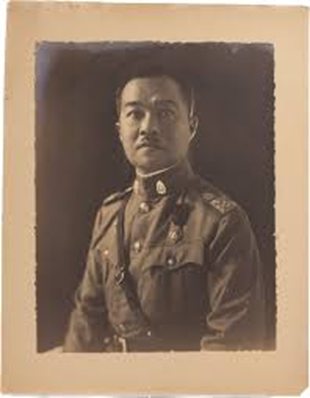
The first publicly known Thai contemporary songs were born around 1905 onwards. Composed by a highly influential military officer and government minister, Marshal-Admiral Paribatra Sukhumbandhu, Prince of Nakhon Sawanprovince, the first batch of contemporary songs was created, said to have consisted of 12 tracks. One notable piece called “Sood Sanoh” was adapted from the original song “San Sanoh” into a Western style by utilizing a cornet, and another noteworthy piece named Maha Roek was played during formal and important ceremonies. He composed Western-style pieces and modernized royal bands. His work adapted original Thai tracks with Western-style orchestration.
Credit: kpm20th-anniversary
Popularization and Modernization: 1930s to 1950s
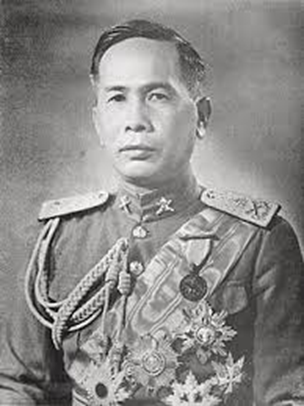
After the transition from absolute monarchy to constitutional monarchy in 1932, Thai music underwent even more modernization, with Western influences increasingly shaping the soundscape. Under Prime Minister Plaek Phibunsongkhram, nationalistic policies actively encouraged foreign-influenced art and music, which soon dominated public spaces while traditional forms were pressured to conform to new standards.
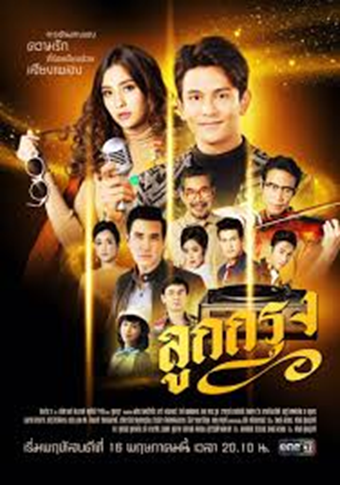
The emergence of luk krung, a hybrid genre blending Western styles with Thai elements, was especially celebrated as a symbol of a “civilized” national identity. In this way, Western entertainment gradually replaced much of Thailand’s older musical traditions.
Credit: wikipedia.org
Credit: mydramalist.com
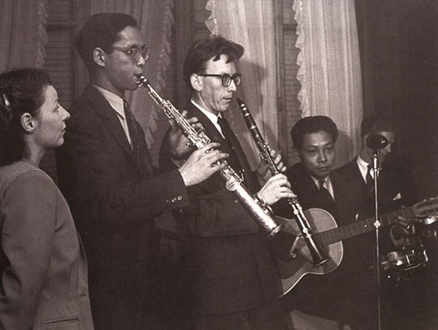
King Rama IX ascended the throne in 1946 with a deep passion for music, particularly jazz. During his reign, he composed numerous timeless pieces, such as “Love at Sundown” (ยามเย็น), Falling Rain” (สายฝน), and Near Dawn (ใกล้รุ่ง). Through these royal compositions, His Majesty not only enriched Thailand’s musical heritage but also helped popularize jazz in the country.
Credit: worldofjazz.org
Cinemas were the new thing around the block, and many contemporary Thai soundtracks were created along with them. Theaters that used to only consist of traditional music now have contemporary tracks performed within most plays. An example would be the well-known Chantharopas troupe with Chan Chao Kha, a musical drama accompanied by sounds composed by the renowned Phran Burapha, the first Thai composer to reform traditional drama songs into more contemporary styles.
Credit: bangkokpost.com
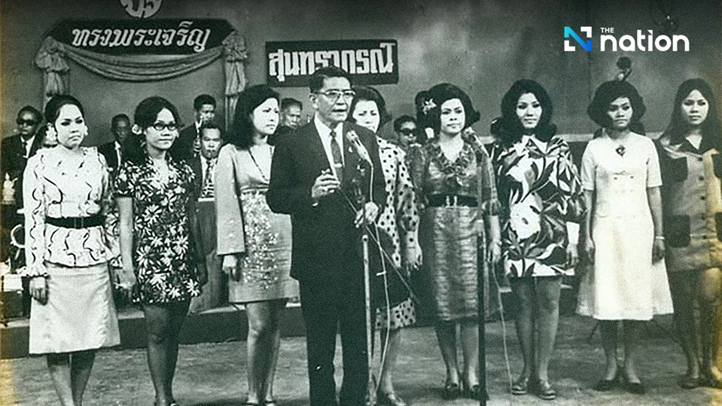
The new sounds resonated with city dwellers and reflected Thailand’s transition into a modern, urban society. Subsequently, this genre of contemporary music became continuously more popular, leading some to name the time as the golden age of Thai contemporary music. A key composer, Eua Sunthornsanan, and his Suntharaporn Band played a pivotal role in pioneering Western-style Thai music, with more than a thousand songs to their name.
Eua blended elements of jazz, tango, and foxtrot with traditional Thai melodic structures and lyrical content, resulting in the creation of luk krung, or “urban music.” He always emphasized adapting Thai traditional melodies and composing new lyrics played with Western instruments and rhythms, inspiring countless more aspiring composers of the genre: Chaʻum Pančhaphan, Kaew Atchariyakul, Wes Sunthorjamorn, Surat Pukkawes, and more.
Credit: nationthailand.com
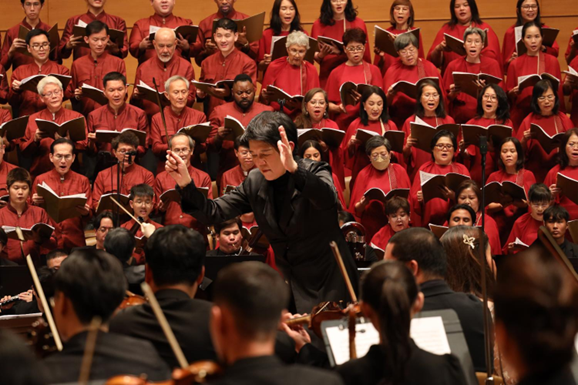
Meanwhile, music education expanded across Thailand. Universities began offering formal instruction in both Thai classical music and Western theory, training a new generation of musicians who were fluent in both traditions. Some blended Western with traditional instruments, creating new original groups like the string quartet with piano and the string quartet with organ. Some infused Western elements into classic folk songs, resulting in the genre gaining wider popularity.

Credit: music.mahidol.ac.th
Globalization and Early Fusion: 1960s to 1970s
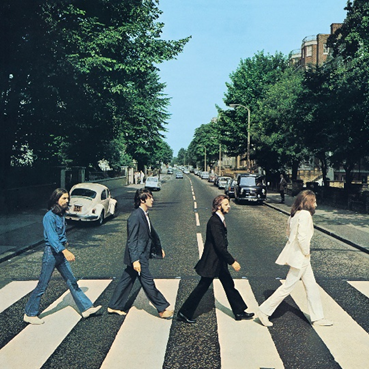
People turned to listen to Western songs, notably Elvis and the Beatles, as a common practice. These influences began to shape serious attempts at fusing Western contemporary forms with Thai sensibilities. Luk thung and luk krung became known after having developed since the end of WWII, and they were clearly defined as their own genre, branching out from contemporary music. Radios were widespread, playing all genres of music, along with records and dance parties.
Credit: wikipedia.org

Credit: billboard.com
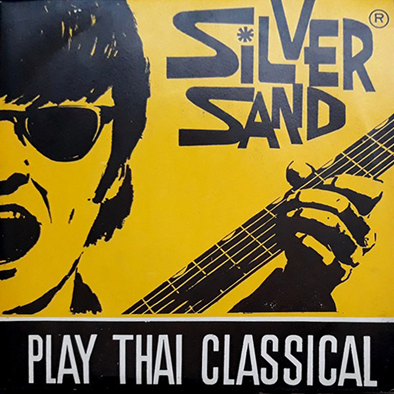
During the late 60s to early 70s, still more Western music poured into the country, including many new genres. Thai singers started to sing and create original Western-style songs, forming renowned bands such as Silver Sand andThe Impossibles, whose songs have a very distinct, never-seen Western flair and soul as the rhythms and melodies were all originally composed and not just adapted like before. Subsequently, this decade marked a significant turning point when composers and bandleaders began crafting hybrid works with Thai instruments and modern harmonic language, setting the stage for future innovation.
Credit: discogs.com
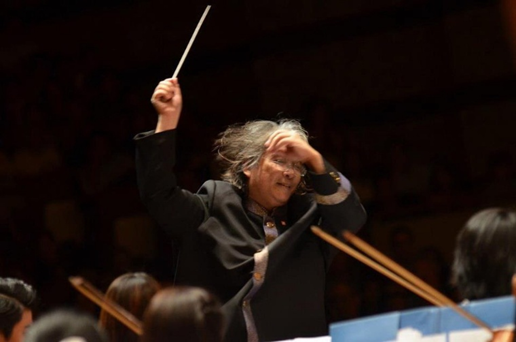
On the classical music side, Somtow Sucharitkul became a pioneering figure in Thailand’s symphonic world, composing works that fused Western classical structures with Thai cultural narratives. His contributions not only expanded the country’s orchestral repertoire but also brought Thai symphonic music to global stages.
Credit: somtow.com
Mainstream Fusion and the Rise of Thai Pop-Rock: 1980s to 1990s
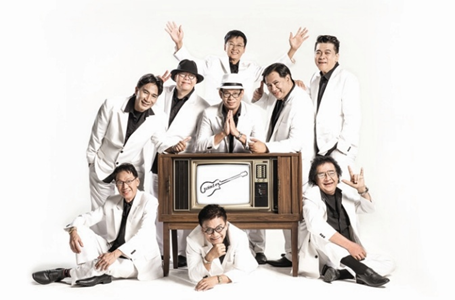
By the 1980s and 1990s, numerous record labels were established, fostering singers of the new trend of music. Companies and artists like RS and GRAND EX, which once sold music records, repurposed to running a label.
Credit: mgronline.com

Credit: rs.co.th
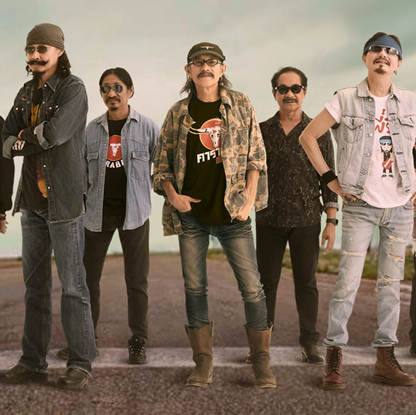
Bands like Carabao popularized the phleng puea chiwit, or “songs for life,” combining folk storytelling with rock instrumentation and politically charged lyrics. Their music addressed working-class issues and resonated with large swaths of Thai society. Thai hip-hop and rap acts started to emerge, influenced by global trends and local youth culture. Underground scenes began forming in Bangkok, setting the groundwork for the full flowering of Thai hip-hop in the 2000s.
Credit: open.spotify.com
Credit: weloveturntable.com
Credit: discogs.com
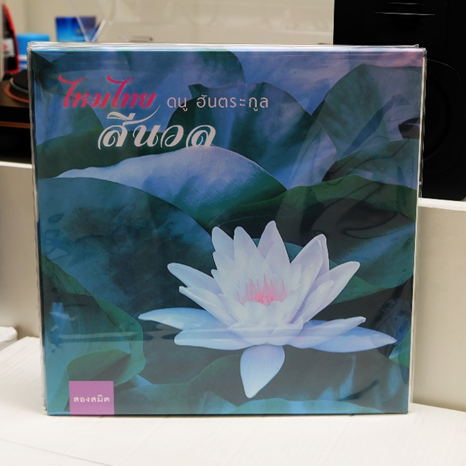
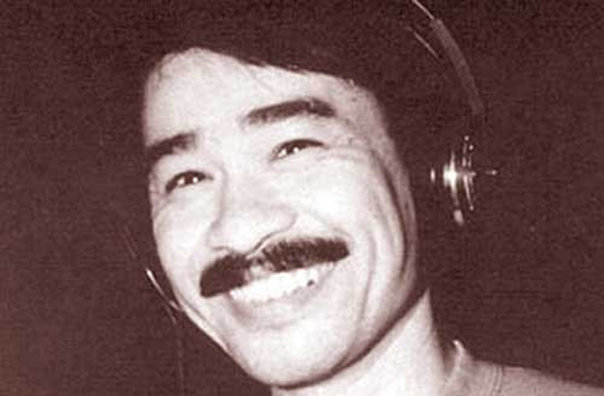
On the classical side, composers like Dnu Huntrakul and Narongrit Dhamabutra created symphonic works that incorporated Thai scales, rhythms, and themes, with their compositions gaining international recognition and elevating Thailand’s reputation in classical and contemporary music circles.

Credit: gmmgrammy.com

Credit: gmmgrammy.com
Another key turning point in the industry came when the label known as Grammy was born, founded in 1983 by Rewat Buddhinan and Paiboon Damrongchaitham. They thought of going full-time into the music business, referencing other prosperous music industries in Japan or Hawaii. They were going to produce songs that were “100% Western” in terms of aesthetic.
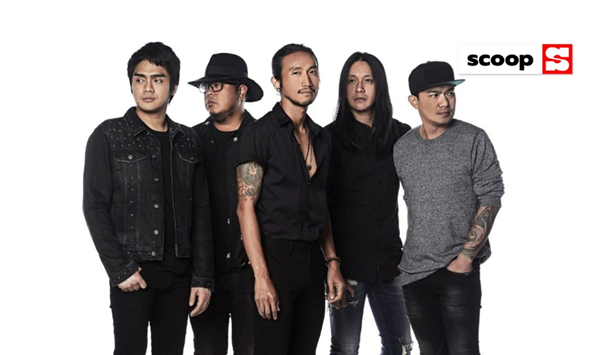
Even though the lyrics sung are still Thai, the language has become modified and restructured to the words spoken daily by all, simple and easy to understand. They found immense success and would go on to produce many legendary artists in Thailand, including Thongchai “Bird” McIntyre, Asanee – Wasan, Christina Aguilar, and later rock icons like Bodyslam and Big Ass. Grammy’s rise redefined Thai pop and established the foundation for the country’s modern music industry.

Credit: kids.kiddle.co
Credit: sanook.com
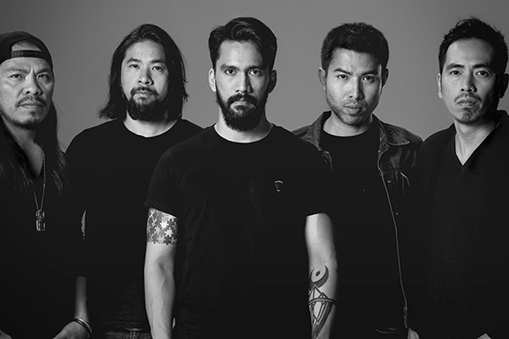
Credit: bangkokpost.com
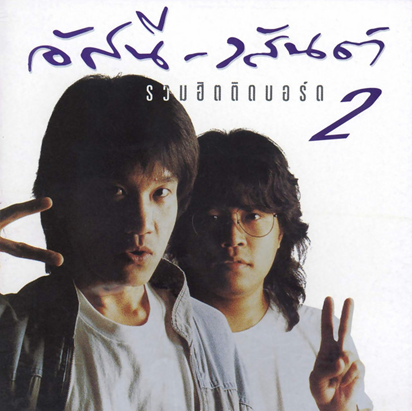
Credit: open.spotify.com
Around the same time, RS Promotion emerged as another big name in Thai music, becoming an early home for Thai hip-hop with the famed rapper Joey Boy breaking through in the late 1990s, blending playful, everyday Thai with rap rhythms and bringing the genre into the mainstream. His hits helped cement RS’s image as the label of new sounds and street energy.

Credit: happeningandfriends.com
Genre Explosion and Digital Expansion: 2000s to 2010s
The early 21st century saw a massive expansion of genres and platforms. The internet democratized music production and distribution, allowing Thai musicians to reach global audiences. Thai-American rap group Thaitanium broke new ground by popularizing hip-hop with bilingual lyrics and international beats. Other artists like F.HERO brought a political edge and lyrical depth to the genre.
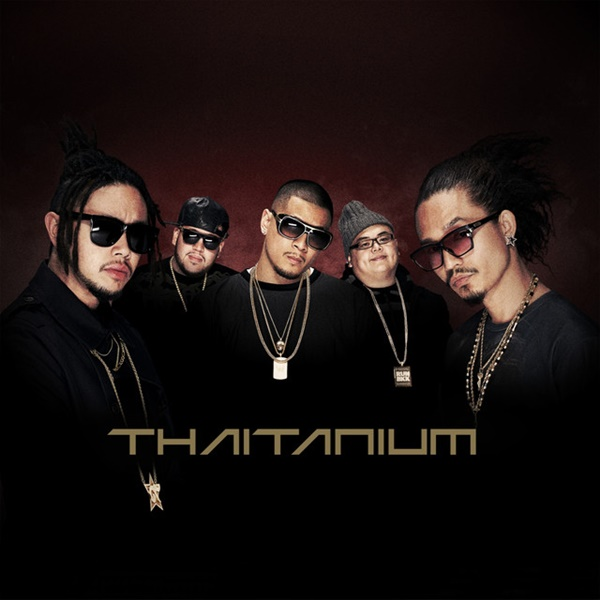
Credit: sanook.com

Credit: open.spotify.com
Meanwhile, institutions like Mahidol University supported classical and experimental music, and festivals such as the Thailand International Composition Festival gave composers a platform to share their work with international audiences. Moreover, independent music labels, online communities, streaming platforms, and social media have nurtured a new generation of indie and underground musicians who would redefine Thai music.
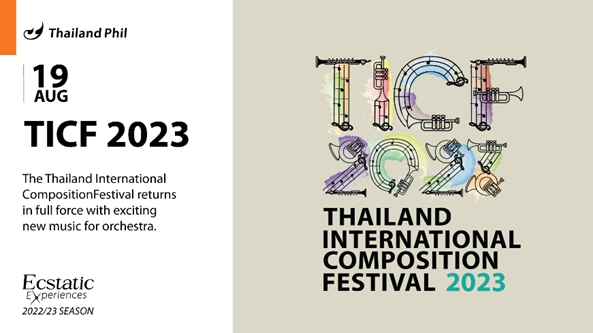
Credit: music.mahidol.ac.th
The Global Thai Sound: 2020s to Present
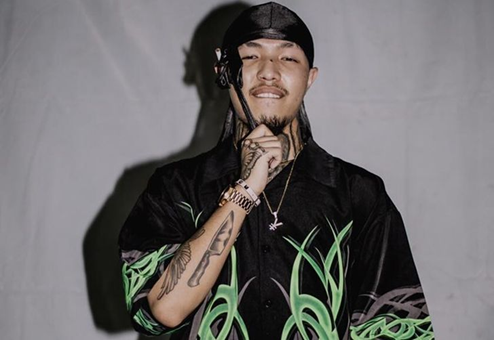
Today, Thai contemporary music is both global and local. Thai contemporary music and the Thai music industry as a whole are flourishing immensely, with distinct genres cultivating their own audiences. Thai artists have broken onto the global stage, performing for big festivals worldwide while singing in both Thai and English and incorporating traditional references and political messages. As for some examples of key figures in today’s modern era, MILLI has become a cultural icon for her genre-defying music, feminist themes, and sharp wit, and Thai rapper YOUNGOHM gives voice to the experiences of Thai youth in a rapidly changing society.

Credit: nbcnews.com
Credit: sanook.com
Characteristics and Core Values
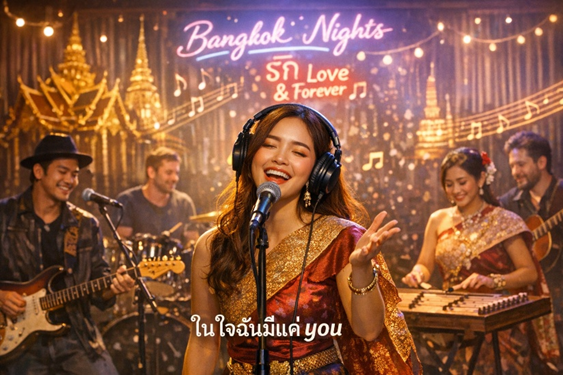
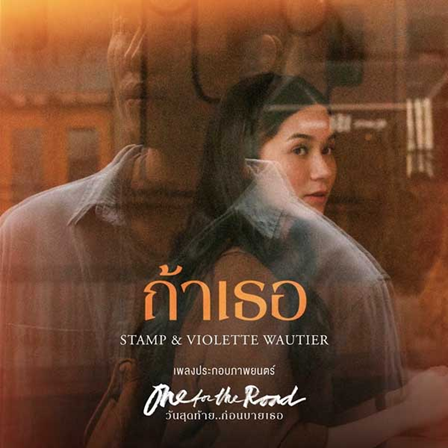
Thai contemporary music is distinguished by its unique blend of tradition and modernity. Musically, it often employs hybrid modalities, weaving Thai melodies into Western frameworks. Lyrics are frequently bilingual or multilingual, mixing English or other foreign languages with Thai dialects in ways that simplify but also enrich expression. Instrumentation is highly inventive, with traditional Thai instruments creatively fused with modern sounds.
Credit: Generated by Artificial Intelligence
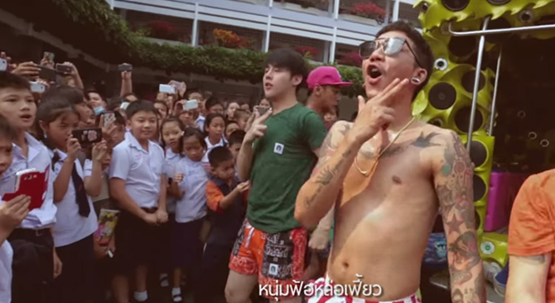
Genre-blending is another hallmark. Hip-hop tracks may incorporate mor lam rhythms, while EDM productions feature luk thung vocals. Sampling has become a key tool, with producers drawing on archival Thai recordings, classic film dialogues, or radio broadcasts to create layered and complex meanings. Live performances further heighten the experience, combining costumes, stage design, and multimedia elements to deliver social commentary or amplify emotions.
Culturally, Thai contemporary music rests on a few core values. One is cultural evolution – the belief that honoring tradition means transforming it for modern needs. Another is individualism, with artists foregrounding personal stories and identities. Yet collective identity remains central, as music continues to reflect the joys, struggles, humor, and resilience of the Thai people.
Language itself is a defining trait. Thai, as a tonal language with a rich poetic tradition, lends music natural rhythm and emotional depth. Lyrics often carry wordplay, metaphor, and layered meaning, making them both melodically beautiful and literarily powerful.
Finally, intercultural dialogue is key. Thai contemporary music engages deeply with global trends while maintaining a distinctly local identity. Whether through language, melody, or cultural reference, it communicates Thai-ness on a global stage. For many artists, it also becomes a political outlet, offering a platform for expression in a society where open dissent can be fraught.
Credit: atimedesign.com
Credit: dochord.com
Conclusion: An Invitation to Listen
Thai contemporary music is not strictly one genre. It is a culmination of harmonious styles and traditions of music. It captures the multiplicity of Thai identity, rural and urban, old and young, sacred and secular. At the very center stands a concept that blends two into one, combining the old with the new, incorporating Western tunes with Thai themes. Whether you’re listening at home, at a club, or in a theater, Thai contemporary music sounds different everywhere, illuminating and resonating with one’s feelings and circumstances. It tells the stories of a rich nation in motion. So, consider this your invitation to explore the world of Thai contemporary music. In doing so, you’re not just hearing Thailand today, you’re hearing Thailand dreaming, creating, embracing the past, and evolving into its future.
The story of Thai contemporary music is a melodiously colorful page of Thai culture and heritage, reflecting the creativity, adaptability, and openness of the Thai people in blending old influences with new sounds. Join us in exploring more stories of Thailand and the Thai people as we take you on a journey to discover the essence of Thainess.
Writer: Benyapa Achariyakaroon
Editor: Tayud Mongkolrat
Sources
https://so06.tci-thaijo.org/index.php/tmd/article/view/266232/181859
http://ir-ithesis.swu.ac.th/dspace/handle/123456789/2511
https://thethaimusic.weebly.com/contemporary-music.html
https://musicthaiandsakol.weebly.com/about.html
https://so06.tci-thaijo.org/index.php/vrurdihsjournal/article/view/265743